

Finding quality scrap metal services starts with understanding what materials you have, how much needs to be removed, and what type of service you actually require. Whether scrap metal comes from a property cleanout, renovation, demolition, garage, or outdoor project, comparing providers carefully can help you choose an option that fits your needs.
Identify the Scrap Metal You Have
Before contacting a provider, inspect the property and identify the metal items that need to be removed. Common examples can include old equipment, metal fixtures, pipes, appliances, machinery parts, fencing materials, and other unwanted metal objects.
Separate scrap metal from materials you want to keep. If possible, organize different types of metal together so the provider can better understand the project.
Consider the Overall Cleanup
Scrap metal may not be the only material left on a property. If your project also includes branches, construction materials, or other unwanted debris, debris removal near me can help address the broader cleanup needs.
Before booking, determine whether you need:
- Scrap metal collection
- General debris removal
- Property cleanup
- Junk hauling
- Furniture removal
- Final site cleanup
A complete project assessment can prevent you from arranging several unnecessary services.
Compare Junk Hauling Options
If your property contains both metal and other unwanted materials, junk hauling service near me may be useful for transporting suitable materials away from the property.
Ask the provider:
- What materials are accepted?
- Is loading included?
- Does the service cover bulky items?
- Is transportation included?
- Are disposal charges separate?
- How is pricing calculated?
Evaluate Junk Removal Services
For a broader property cleanout, junk removal services near me may be worth considering alongside scrap metal removal.
This can be useful when the property contains a mixture of:
- Metal items
- Old furniture
- Garage clutter
- Household junk
- Outdoor equipment
- General non-hazardous materials
Tell the provider exactly what you have instead of assuming every company accepts the same materials.
Check the Type and Quantity of Metal
The amount and type of scrap metal can affect the equipment, labor, and transportation required. Small quantities may be easier to handle, while large or heavy pieces may require specialized loading arrangements.
Before requesting an estimate, consider:
- Number of items
- Approximate weight
- Item dimensions
- Location
- Accessibility
- Whether materials are loose or bundled
Photos can also help communicate the scope of the project.
Consider Accessibility
The location of scrap metal can affect the removal process. Metal stored beside a driveway may be straightforward to collect, while heavy items located behind a building or inside a garage may require additional labor.
Tell the provider about:
- Narrow driveways
- Gates
- Stairs
- Long carrying distances
- Uneven ground
- Limited parking
- Restricted vehicle access
Ask About Loading
Do not assume that transportation automatically includes loading. Confirm whether workers will move the scrap metal from its current location to the collection vehicle.
Ask whether the quote includes:
- Carrying
- Loading
- Heavy-item handling
- Equipment
- Transportation
- Basic cleanup
Understanding the complete service makes it easier to compare providers.
Confirm Accepted Materials
Not every provider handles every type of metal or item. Before scheduling, provide a list of the materials you want removed.
Ask about items such as:
- Metal fencing
- Pipes
- Old machinery parts
- Metal fixtures
- Appliances
- Equipment
- Construction-related metal
If an item contains other materials or requires special handling, mention it in advance.
Compare Complete Pricing
A quality scrap metal service should provide clear information about how the job will be priced. Depending on the provider, pricing may consider volume, weight, labor, transportation, accessibility, or other project factors.
Ask about:
- Service charges
- Loading costs
- Transportation
- Equipment
- Additional trips
- Difficult-access fees
- Other potential charges
A detailed estimate is more useful than simply choosing the lowest advertised rate.
Ask About Recycling and Disposal
Scrap metal can often have recycling or recovery value, depending on its type and condition. Ask how the provider handles collected metal and whether recyclable materials are separated appropriately.
You should also clarify how non-metal materials mixed with the scrap will be handled.
Choose a Provider Based on Overall Value
Quality should not be judged by price alone. Consider accepted materials, loading, transportation, equipment, communication, scheduling, material handling, and the clarity of the estimate.
For Salisbury, MO property owners, the best approach is to describe the scrap metal accurately, identify any additional cleanup needs, compare complete service estimates, and confirm exactly what the provider will collect. This can help ensure the removal process is organized, efficient, and suited to the property’s specific requirements.
Comparing Debris, Storm Cleanup, and Snow Removal Services
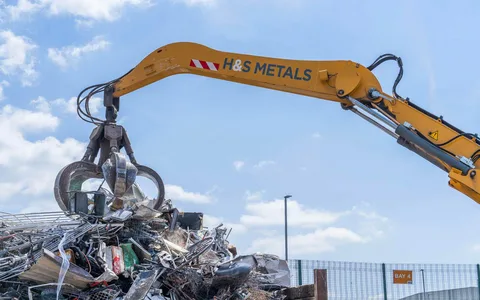
Quality scrap metal services often become part of a larger property cleanup. When a property contains metal along with general debris, storm-damaged materials, or seasonal snow, it is useful to compare the full range of services before hiring a provider. This helps ensure that each type of material is handled appropriately and that the property remains accessible.
Evaluate Debris Removal Services
Debris removal services near me can be useful when scrap metal is mixed with other unwanted materials from a renovation, demolition, property cleanout, or outdoor project.
Before requesting an estimate, identify the type and approximate amount of debris. Consider:
- Metal materials
- Wood
- Broken fixtures
- Yard debris
- Construction leftovers
- General non-hazardous materials
Tell the provider if the project contains heavy or oversized pieces. This allows the service to determine the appropriate equipment and labor.
Separate Scrap Metal From Other Debris
If your main goal is scrap metal removal, keeping metal separate from other materials can make the project easier to organize. Mixed debris may require additional sorting before appropriate recycling or disposal.
Create separate areas for:
Scrap metal: Pipes, metal fixtures, equipment parts, fencing, and other suitable metal items.
General debris: Non-metal materials from property cleanup or renovation.
Household junk: Unwanted belongings and other non-hazardous items.
Clear separation also makes it easier to explain the project when requesting an estimate.
Consider Storm Cleanup
Severe weather can create additional cleanup needs. Storm debris removal near me may be appropriate when wind or storms leave branches, damaged outdoor materials, and other loose debris around a property.
Storm cleanup can sometimes involve metal items such as damaged fencing, outdoor equipment, or other weather-damaged materials. Explain exactly what was damaged so the provider can determine whether those materials fall within its service scope.
Inspect the Property After a Storm
Before arranging cleanup, inspect the property only when conditions are safe. Look for materials around:
- Driveways
- Walkways
- Fences
- Garages
- Yards
- Entrances
- Drainage areas
Do not attempt to move debris connected to electrical lines, unstable structures, or other dangerous conditions. Such situations should be handled by appropriately qualified professionals.
Protect Valuable Scrap Metal
If certain metal items have potential value, identify them before the cleanup begins. Do not allow valuable materials to be mixed with ordinary trash without first confirming how they will be handled.
Useful steps include:
- Identify the metal items.
- Separate them from general junk.
- Remove non-metal attachments where appropriate.
- Photograph valuable or unusual pieces.
- Explain the materials to the provider.
Avoid dismantling heavy or potentially dangerous equipment yourself.
Consider Seasonal Snow Removal
During winter, snow can make it more difficult for workers and vehicles to access scrap metal and other materials. A snow removal service may help keep important areas accessible.
When comparing snow services, ask which areas are included, such as:
- Driveways
- Walkways
- Parking areas
- Building entrances
- Loading areas
Clear access can make later junk, debris, or scrap metal removal easier to schedule.
Coordinate Seasonal Services
If snow or ice is blocking the area where scrap metal is stored, coordinate clearing before the collection appointment. This can reduce delays and make loading safer.
For properties with recurring seasonal needs, ask providers about scheduling and availability during periods of high demand.
Compare Equipment Requirements
Scrap metal, storm debris, and snow can require different equipment. Heavy metal may require appropriate loading equipment, while storm debris may involve bulky branches and snow removal requires suitable clearing equipment.
When comparing providers, ask whether the necessary equipment is included in the service price.
Review Access Conditions
Tell the provider about any conditions that could make the project more difficult.
These may include:
- Narrow driveways
- Gates
- Stairs
- Uneven ground
- Limited parking
- Long carrying distances
- Snow-covered access routes
Accurate information helps the provider estimate labor and equipment requirements.
Ask About Complete Pricing
Do not compare providers only by their advertised starting prices. Request an estimate that explains the major costs associated with the project.
Confirm whether the price includes:
- Loading
- Labor
- Transportation
- Equipment
- Sorting
- Disposal or recycling
- Additional loads
- Difficult-access charges
A complete estimate makes it easier to compare services fairly.
Check Material Handling
Ask how the provider handles scrap metal and other collected materials after removal. Suitable metal may be recycled or recovered, while other materials may require different handling.
If responsible recycling is important to you, ask the provider about its process before scheduling the service.
Plan the Cleanup in Stages
For a property with several cleanup needs, completing the work in stages can make the project easier to manage.
A practical sequence may be:
- Inspect the property.
- Separate scrap metal.
- Remove hazardous or unsafe materials through appropriate professionals.
- Clear storm debris.
- Arrange snow clearing when necessary.
- Complete general debris removal.
- Schedule final scrap metal pickup.
The exact sequence should depend on the property’s conditions.
Choose a Provider Based on Overall Value
The right provider should match the type and volume of materials you need removed. Consider accepted materials, equipment, labor, access, scheduling, material handling, and pricing together.
For Salisbury, MO property owners, comparing debris removal services near me, storm debris removal near me, and snow removal service alongside scrap metal collection can help create a more complete cleanup plan. Clear communication about the materials and property conditions can make the project more efficient and reduce unexpected complications.
Comparing Junk Hauling, Junk Removal, and Storm Debris Removal
Scrap metal is often found alongside other unwanted materials during garage cleanouts, property renovations, demolition projects, and storm cleanup. When comparing Scrap Metal Services in Salisbury, MO, it is useful to understand how junk hauling, junk removal, and storm debris removal differ. Choosing the appropriate service can make collection more organized and help prevent unsuitable materials from being mixed together.
Understand Junk Hauling
Junk hauling generally focuses on loading and transporting unwanted materials away from a property. It can be useful when you have a large quantity of scrap metal combined with other bulky items.
Potential hauling projects include:
- Old metal equipment
- Fencing
- Pipes
- Machinery parts
- Garage clutter
- Bulky household items
- Property cleanout materials
Before scheduling, provide the approximate quantity and type of material so the provider can determine the appropriate vehicle and equipment.
Consider the Amount of Material
The size of the collection can affect labor and transportation requirements. A few small metal items may require a simple pickup, while a large pile of metal, equipment, and other junk may require additional loading capacity.
Estimate:
- Number of items
- Approximate weight
- Size of bulky pieces
- Number of piles
- Distance from the vehicle
- Accessibility of the property
Photos can also help communicate the scope of the project.
Understand Junk Removal
Professional junk removal may include collecting unwanted materials, loading them, transporting them, and handling them after pickup, depending on the provider’s service scope.
Junk removal can be useful when scrap metal is part of a broader cleanout involving:
- Furniture
- Appliances
- Garage items
- Household clutter
- Outdoor equipment
- Non-hazardous property materials
Explain all categories of materials before requesting an estimate.
Separate Scrap Metal From General Junk
If you have valuable or recyclable metal, keep it separate from ordinary junk whenever practical. Mixing everything together can make sorting more difficult.
A simple organization system can include:
Scrap metal: Metal items intended for recycling or collection.
General junk: Unwanted household and property items.
Storm debris: Materials generated by severe weather.
Keep: Items that should remain on the property.
This makes the removal process easier to coordinate.
Evaluate Storm Debris Removal
A storm debris removal service is designed for suitable materials left behind after severe weather. Storms can create large amounts of branches, damaged fencing, outdoor equipment, and other loose property materials.
Some storm debris may contain metal components, but not every storm-damaged item should be treated as ordinary scrap.
Inspect Storm-Damaged Areas
After a storm, inspect the property only when it is safe. Look around:
- Yards
- Driveways
- Fences
- Garages
- Walkways
- Outdoor structures
- Property entrances
Identify what needs removal and what should remain.
Do not approach debris involving electrical lines, unstable structures, or other dangerous conditions. Such hazards require appropriately qualified professionals.
Ask About Accepted Materials
Each provider may have different rules regarding the materials it collects. Before scheduling, provide a list of everything you want removed.
Ask whether they accept:
- Scrap metal
- Metal fencing
- Appliances
- Machinery parts
- Construction materials
- Yard debris
- Storm-damaged items
This helps avoid unexpected rejected materials during pickup.
Consider Loading Requirements
Heavy metal and bulky junk can require significant physical labor. Confirm whether loading is included in the quoted service.
Ask whether workers will:
- Carry materials from inside
- Move heavy items
- Load the vehicle
- Handle bulky objects
- Sort materials
- Complete basic cleanup
The location of the materials can affect the amount of labor required.
Check Property Access
Access is especially important when large equipment or vehicles are needed.
Tell the provider about:
- Narrow driveways
- Small gates
- Stairs
- Long carrying distances
- Uneven terrain
- Limited parking
- Snow-covered areas
Accurate information allows the provider to plan appropriately.
Compare Equipment
Different materials require different equipment. Heavy scrap metal may require appropriate loading equipment, while storm debris can involve large branches and bulky damaged materials.
Ask whether the provider has the equipment necessary for your specific project and whether equipment costs are included in the estimate.
Review Pricing
When comparing providers, request complete pricing rather than relying on a starting rate.
Check whether the estimate includes:
- Labor
- Loading
- Transportation
- Equipment
- Sorting
- Disposal
- Recycling
- Additional loads
- Difficult-access charges
A detailed quote makes it easier to compare providers fairly.
Ask About Recycling
If recycling is a priority, ask how collected scrap metal is handled. Suitable metal may be separated for recycling or recovery depending on the provider and material.
Also ask how non-metal materials mixed with the scrap will be handled.
Coordinate Multiple Cleanup Services
If your property needs several services, scheduling them in the correct order can reduce delays.
For example:
- Identify and separate scrap metal.
- Address safety hazards.
- Clear storm debris.
- Remove general junk.
- Complete scrap metal hauling.
- Inspect the property for remaining materials.
The appropriate order will depend on the condition of the property.
Choose the Right Service
Junk hauling is useful for transporting larger quantities of unwanted materials, while junk removal may provide a broader collection and cleanup service. Storm debris removal is more specifically suited to suitable materials created by severe weather.
For Salisbury, MO property owners, comparing these services alongside scrap metal collection can help ensure that each type of material is handled according to its needs. By checking accepted materials, access requirements, equipment, loading, transportation, recycling, and complete pricing, you can select a service that provides better overall value.
Choosing Between Storm Debris Removal and Local Junk Removal
When looking for Scrap Metal Services in Salisbury, MO, property owners may also have storm-damaged materials and general junk that need to be cleared. Comparing these services separately helps ensure that scrap metal, storm debris, and household junk are handled according to their specific requirements.
Consider Storm Debris Removal
Professional storm debris removal can help clear suitable materials left behind after severe weather. Storms may scatter branches, damaged outdoor items, fencing, equipment, and other loose materials across a property.
Before scheduling, inspect the property and identify:
- Fallen branches
- Damaged fencing
- Loose metal materials
- Broken outdoor items
- Yard debris
- Storm-damaged equipment
Only inspect areas when it is safe to do so. Materials involving electrical lines or unstable structures should not be handled as ordinary junk.
Identify Scrap Metal After a Storm
Storm cleanup can uncover metal items that may be suitable for scrap collection. Examples can include damaged fencing, metal fixtures, pipes, and certain equipment components.
Separate these materials from general debris where practical. This makes it easier to explain exactly what you want collected and may simplify sorting.
Consider Junk Removal Near Your Property
Searching for junk removal near me may help you find a local provider for unwanted household and property items.
Junk removal may be suitable for:
- Old furniture
- Garage clutter
- Appliances
- Household belongings
- Outdoor equipment
- Unwanted non-hazardous items
Give the provider an accurate list of materials before scheduling.
Separate Junk From Storm Debris
Do not automatically mix all unwanted materials into one pile. Separate materials by type whenever possible.
For example:
Scrap metal: Metal items intended for collection or recycling.
Storm debris: Materials created or displaced by severe weather.
Household junk: Unwanted furniture, belongings, and general property items.
This organization helps the provider understand the project’s requirements.
Estimate the Volume
The quantity of material can affect the required vehicle, labor, and number of loads.
Before requesting a quote, estimate:
- Number of debris piles
- Number of bulky items
- Approximate amount of scrap metal
- Number of furniture pieces
- Distance from the collection vehicle
Providing photographs can also help the provider understand the project.
Check Access Conditions
Access can affect both storm cleanup and junk removal. Tell the provider if materials are located behind a fence, inside a garage, down stairs, or far from the driveway.
Important access details include:
- Narrow gates
- Tight driveways
- Stairs
- Uneven terrain
- Long walkways
- Limited parking
This information helps avoid unexpected labor requirements.
Ask About Loading
Confirm who is responsible for moving materials from their current location to the collection vehicle.
Ask whether the service includes:
- Loading
- Carrying
- Heavy-item handling
- Equipment
- Transportation
- Basic cleanup
This is particularly important for heavy scrap metal and large storm-damaged objects.
Confirm Accepted Materials
Different providers may have different material restrictions. Before booking, provide a complete description of the items.
Ask whether the provider accepts:
- Scrap metal
- Storm debris
- Furniture
- Appliances
- Yard debris
- Construction materials
- Oversized items
If a material requires specialized handling, mention it before the appointment.
Compare Equipment Requirements
Storm debris and scrap metal can require different equipment depending on their size and weight. Large metal objects may require suitable loading equipment, while storm debris may involve bulky branches or damaged structures.
Ask whether the equipment needed for your project is included in the estimate.
Review the Full Price
Compare the complete service cost rather than a basic starting price.
Check whether the estimate includes:
- Labor
- Loading
- Transportation
- Equipment
- Disposal
- Recycling
- Additional loads
- Difficult-access fees
A detailed estimate allows you to compare providers on equal terms.
Ask How Materials Are Handled
If recycling is important, ask how scrap metal will be handled after collection. Suitable metal may be recycled or recovered depending on the material and provider.
Also ask how mixed materials will be separated and how non-recyclable items will be handled.
Coordinate Cleanup With Other Projects
Storm debris and junk removal often occur alongside property improvements. If you are preparing a property for renovation, demolition, landscaping, or sale, schedule removal before the next phase begins.
A clear site provides better access for future work and reduces unnecessary obstacles.
Choose the Appropriate Service
Storm debris removal is generally more appropriate for suitable materials created by severe weather, while junk removal can address a broader range of unwanted household and property items. Scrap metal should be identified separately when appropriate.
For Salisbury, MO property owners, comparing storm debris removal and junk removal near me based on accepted materials, loading, access, equipment, transportation, recycling, and complete pricing can help you select the service that best matches your cleanup needs.
Comparing Junk Hauling and Trash Pickup for Scrap Metal Cleanup
When arranging Scrap Metal Services in Salisbury, MO, property owners may also have general junk and household trash that need to be removed. Understanding the difference between junk hauling and trash pickup can help you choose the right service and avoid mixing materials that require different handling.
Evaluate Junk Hauling Near Your Property
Searching for junk hauling near me can help you find a local option for transporting larger quantities of unwanted materials. This can be useful when scrap metal is part of a garage cleanout, renovation, demolition, or property cleanup.
Junk hauling may be suitable for:
- Metal equipment
- Old fencing
- Pipes
- Garage clutter
- Bulky household items
- Unwanted outdoor equipment
- Property cleanout materials
Before scheduling, explain the size and type of materials involved.
Determine the Amount of Material
The quantity of junk and scrap metal can influence vehicle capacity, labor, and the number of loads required.
Estimate:
- Number of large items
- Approximate metal volume
- Number of junk piles
- Weight of heavy materials
- Distance from the vehicle
Providing accurate information can help you receive a more realistic estimate.
Understand Trash Pickup
Trash pickup is generally intended for suitable routine waste, although accepted materials and collection policies vary between providers.
Before scheduling a pickup, ask:
- What materials are accepted?
- Are bulky items included?
- Is loading provided?
- Are construction materials accepted?
- Are additional fees possible?
- What preparation is required?
Do not assume that ordinary trash pickup can handle large scrap metal or heavy equipment.
Separate Scrap Metal From Trash
One of the most important steps is separating recyclable or collectible metal from ordinary waste.
Create separate piles for:
Scrap metal: Pipes, metal fixtures, fencing, equipment parts, and other suitable metal.
Junk: Larger unwanted household or property items.
Trash: Suitable general waste.
Keep: Items that should remain on the property.
This makes collection more organized and reduces the chance of valuable or recyclable materials being discarded accidentally.
Check What the Provider Accepts
Different companies may have different restrictions. Provide a complete list of materials before booking.
Ask specifically about:
- Scrap metal
- Appliances
- Furniture
- Metal fencing
- Machinery parts
- Yard debris
- Construction materials
- Oversized items
If you have mixed materials, explain the combination so the provider can confirm whether it can handle the complete project.
Consider Loading Requirements
Heavy metal items can require additional labor and equipment. Ask whether workers will move materials from their current location or whether you must place them in an accessible collection area.
Confirm whether the service includes:
- Carrying
- Loading
- Heavy-item handling
- Transportation
- Equipment
- Basic cleanup
Check Property Access
Access conditions can affect the time and effort needed to complete the job.
Tell the provider if the materials are located:
- Inside a garage
- Behind a fence
- Downstairs
- Upstairs
- Far from the driveway
- On uneven ground
- In a narrow access area
Clear communication helps prevent unexpected service complications.
Compare Transportation Capacity
Large scrap metal collections may require more vehicle capacity than ordinary trash pickups. Ask whether the provider can remove everything in one trip and how additional loads are priced if necessary.
This is especially important for large property cleanouts.
Ask About Recycling
If the purpose of the project is scrap metal collection, ask how suitable metal is handled after pickup. Depending on the material, metal may be separated for recycling or recovery.
Ask how mixed materials will be handled as well.
Review the Complete Price
Do not compare services only by their advertised starting price. Ask for a clear estimate that explains the total expected cost.
Consider:
- Labor
- Loading
- Transportation
- Equipment
- Disposal
- Recycling
- Number of loads
- Difficult-access charges
- Oversized items
A complete estimate makes it easier to compare providers.
Prepare the Property Before Pickup
Organizing materials before the appointment can make the collection process more efficient.
Move important belongings away from the removal area and clearly identify everything that should be taken.
If heavy scrap metal is difficult or unsafe to move, do not attempt to relocate it yourself. Tell the provider exactly where it is located.
Coordinate Multiple Services
If you have scrap metal, junk, and ordinary trash, you may need more than one type of service. Discuss the complete project with the provider before scheduling.
In some cases, a single provider may be able to handle several suitable categories, while specialized materials may require separate arrangements.
Plan for Final Cleanup
After the materials are removed, inspect the property for remaining pieces of debris, loose items, or trash.
Check:
- Garage areas
- Driveways
- Yards
- Storage spaces
- Around fences
- Outdoor structures
If additional cleanup is needed, confirm whether it is included in the original service or requires another appointment.
Choose the Service Based on Your Materials
For Salisbury, MO property owners, junk hauling near me may be appropriate for larger quantities of scrap metal and unwanted property items, while trash pickup is generally better suited to accepted routine waste.
The best option depends on the type and volume of materials, loading requirements, access conditions, transportation, recycling or disposal procedures, and total pricing. Clearly explaining your cleanup needs before booking can help you select an efficient service and avoid unexpected charges.
Comparing Debris Removal and Furniture Removal With Scrap Metal Services
Scrap metal is often found alongside other unwanted materials during property cleanouts, renovations, garage clearances, and demolition projects. If you also have general debris or old furniture, combining the cleanup plan can make the project more organized. However, it is important to understand what each service covers before scheduling.
Evaluate Debris Removal
Professional debris removal can help clear unwanted materials from residential and commercial properties. Debris may come from construction, renovation, storm cleanup, landscaping, or general property maintenance.
Common examples include:
- Wood pieces
- Broken building materials
- Yard debris
- Damaged outdoor items
- Renovation leftovers
- General non-hazardous debris
If scrap metal is mixed with these materials, identify it separately so the provider knows which items may require different handling.
Separate Scrap Metal From General Debris
Keeping metal separate from ordinary debris can simplify collection and sorting.
Create separate groups for:
Scrap metal: Pipes, fencing, metal fixtures, equipment parts, and other suitable metal.
General debris: Wood, yard materials, construction leftovers, and other non-metal items.
Furniture: Sofas, tables, chairs, cabinets, and other unwanted furnishings.
Items to keep: Anything that should remain on the property.
This organization can help prevent unwanted materials from being removed accidentally.
Consider Furniture Removal
Professional furniture removal may be useful when a property contains large or unwanted furnishings that need to be cleared along with scrap metal.
Furniture can include:
- Sofas
- Tables
- Chairs
- Dressers
- Cabinets
- Shelving
- Mattresses
- Outdoor furniture
Large furniture can require additional labor because of its size, weight, and location.
Check the Condition of Furniture
Before scheduling furniture removal, identify which pieces are intended for removal. Some furniture may still be usable, while other pieces may be damaged or no longer wanted.
Separate valuable or reusable items from furniture that should be removed.
If you want certain items donated, reused, or otherwise handled differently, ask the provider whether those options are available.
Consider Furniture Location
The location of furniture can significantly affect the removal process. A table near the driveway is easier to move than a large sofa located upstairs or in a basement.
Tell the provider if furniture is located:
- Upstairs
- Downstairs
- In a basement
- Inside a garage
- Behind a fence
- In a narrow room
- Far from vehicle access
This allows the provider to plan labor and equipment appropriately.
Estimate the Project Size
Before requesting an estimate, determine approximately how much material needs to be removed.
Consider:
- Number of furniture pieces
- Size of debris piles
- Amount of scrap metal
- Number of bulky items
- Approximate load volume
Photos can be useful when explaining the project to a provider.
Ask About Loading
One of the most important questions is whether loading is included in the service.
Confirm whether workers will:
- Carry furniture
- Move heavy metal
- Load debris
- Handle bulky objects
- Transport the materials
- Perform basic cleanup
If you are unable to move heavy materials yourself, explain this before receiving a quote.
Check Property Access
Access can affect the amount of time and labor required. Narrow doorways, stairs, gates, and long carrying distances may make furniture and scrap metal removal more complicated.
Tell the provider about:
- Narrow driveways
- Gates
- Stairs
- Tight hallways
- Uneven terrain
- Limited parking
- Long walkways
Accurate information helps avoid unexpected changes to the service requirements.
Protect the Property
Large furniture and heavy metal can potentially damage walls, flooring, landscaping, fences, and other property features during removal.
Identify areas that require care, such as:
- Door frames
- Walls
- Flooring
- Driveways
- Landscaping
- Fences
- Nearby structures
Discuss protection requirements with the provider before work begins.
Confirm Accepted Materials
Not every removal company accepts every material. Before booking, provide a complete list of what you want removed.
Ask whether the provider accepts:
- Scrap metal
- Furniture
- Mattresses
- Appliances
- Yard debris
- Construction debris
- Heavy equipment
This helps prevent unsuitable materials from being left behind.
Ask About Equipment
Heavy scrap metal and bulky furniture may require appropriate tools or loading equipment.
Ask whether the provider has the equipment needed for your specific project and whether those costs are included in the estimate.
The equipment requirements may depend on the weight, size, and location of the materials.
Review Transportation Capacity
A large property cleanout may require more than one load. Ask whether the provider’s vehicle can accommodate your materials and how additional trips are priced.
This is especially important if you have:
- Large furniture
- Heavy metal
- Multiple debris piles
- Bulky outdoor items
- Construction materials
Ask About Recycling and Disposal
If scrap metal is part of the project, ask how suitable metal is handled after collection. Depending on the material and provider, metal may be recycled or recovered.
For furniture and other materials, ask whether suitable items can be reused, donated, recycled, or disposed of through appropriate channels.
Compare Complete Pricing
When comparing providers, focus on the complete project cost instead of only the initial price.
Consider:
- Labor
- Loading
- Transportation
- Equipment
- Disposal
- Recycling
- Number of loads
- Difficult-access charges
- Oversized items
A detailed estimate makes it easier to compare different services fairly.
Prepare the Property
Before the scheduled appointment, identify all items that should be removed and separate them from belongings that should remain.
Where safe and practical, clear access routes so workers can reach the materials efficiently.
Do not attempt to move extremely heavy, unstable, or potentially hazardous items yourself.
Coordinate With Renovation or Demolition
Scrap metal, debris, and furniture removal often occur during larger property projects. If the property is being renovated or demolished, coordinate removal with the project schedule.
Removing unwanted items at the appropriate stage can improve access and reduce clutter around the work area.
Complete a Final Inspection
After removal, inspect the property for any remaining materials.
Check:
- Garages
- Storage areas
- Yards
- Driveways
- Behind structures
- Around fences
- Interior rooms
If additional materials remain, ask whether another pickup is necessary.
Choose the Right Combination of Services
For Salisbury, MO property owners, debris removal can address general property materials, while furniture removal can handle bulky household or outdoor furnishings. Scrap metal should be identified separately when appropriate so it can receive the correct handling.
By explaining the complete project, checking accepted materials, confirming loading and transportation, evaluating access, and comparing total pricing, you can choose a removal service that fits your property’s specific cleanup requirements.
Considering Demolition Services for Scrap Metal Cleanup
When a property contains large amounts of scrap metal, the material may come from an old shed, garage, outbuilding, fencing, equipment, or another structure. In these situations, demolition services may be needed before the remaining metal and debris can be removed. Planning both stages together can make the overall property cleanup more efficient.
Determine Whether Demolition Is Required
First, identify where the scrap metal is coming from. If the metal is already loose and accessible, a standard removal service may be sufficient. If it is attached to or contained within a structure that needs to be taken apart, demolition may be more appropriate.
Potential demolition projects include:
- Old sheds
- Detached garages
- Small outbuildings
- Unwanted structures
- Damaged additions
- Other structures within the agreed project scope
The structure’s size, condition, materials, and location should be evaluated before work begins.
Understand the Difference Between Demolition and Scrap Metal Removal
Demolition involves dismantling or removing a structure, while scrap metal removal focuses on collecting and hauling away suitable metal materials.
For example, removing loose metal fencing from a property is different from demolishing a structure containing metal framing, roofing, fixtures, or other components.
Ask the provider whether both stages are included or whether separate services need to be arranged.
Inspect the Structure
Before requesting an estimate, gather basic information about the structure.
Consider:
- Approximate dimensions
- Construction materials
- Overall condition
- Accessibility
- Nearby buildings
- Distance from the driveway
- Amount of expected debris
Photos can help communicate the project, but a site assessment may be needed for accurate planning.
Identify the Metal Components
If the structure contains recyclable or collectible metal, identify those components before demolition.
These may include:
- Metal roofing
- Pipes
- Fencing
- Metal framing
- Fixtures
- Equipment components
- Hardware
Tell the provider about these materials so the demolition and removal plan accounts for them.
Consider Site Accessibility
Demolition equipment and hauling vehicles require appropriate access. Narrow driveways, gates, landscaping, overhead obstacles, and nearby structures can affect the project.
Discuss:
- Driveway access
- Gate width
- Parking
- Overhead clearance
- Nearby structures
- Uneven terrain
Providing accurate information before work starts can reduce delays.
Protect Nearby Property
Demolition can affect surrounding areas if the site is not properly planned. Identify features that should remain protected.
These may include:
- Fences
- Trees
- Landscaping
- Driveways
- Utilities
- Nearby buildings
- Drainage areas
Discuss protection requirements during the initial project assessment.
Ask About Equipment
Different structures require different tools and equipment. Ask what equipment will be used and whether it is appropriate for the project’s size and location.
Equipment planning can affect:
- Labor
- Project duration
- Site access
- Debris handling
- Overall cost
Confirm What the Estimate Includes
Demolition estimates can vary significantly depending on what is included. Ask for a written description of the complete project scope.
Confirm whether the estimate includes:
- Demolition labor
- Equipment
- Structure removal
- Scrap metal separation
- Debris loading
- Hauling
- Disposal
- Basic site cleanup
This makes it easier to compare providers.
Plan for Mixed Demolition Debris
After a structure is dismantled, the resulting material may include both metal and non-metal components.
For example, a project could generate:
- Metal
- Wood
- Roofing materials
- Concrete
- Broken fixtures
- General construction debris
Ask how these materials will be separated and handled after removal.
Consider Scrap Metal Recovery
If the demolition produces suitable scrap metal, ask how it will be handled. Depending on the material and provider, recyclable metal may be separated for recovery.
Avoid assuming that all materials from a demolition project have the same disposal or recycling process.
Check Local Requirements
Before beginning demolition, determine whether the specific project requires permits, inspections, utility coordination, or other approvals.
Requirements can vary depending on the structure and project circumstances. Verify applicable local requirements before work begins.
Compare Demolition Providers
When comparing demolition services, look beyond the advertised price.
Consider:
- Project experience
- Equipment
- Site assessment
- Debris handling
- Scrap metal handling
- Cleanup
- Scheduling
- Written estimates
- Communication
A provider that clearly explains the project scope can make planning easier.
Coordinate Demolition and Removal
If demolition and scrap metal removal are part of the same project, discuss the complete process in advance.
A practical sequence may be:
- Inspect the structure.
- Identify materials to keep.
- Identify scrap metal.
- Address applicable site requirements.
- Complete demolition.
- Separate suitable materials.
- Load and haul debris.
- Complete the agreed site cleanup.
The exact sequence will depend on the project.
Compare the Total Cost
Do not compare demolition prices without considering related cleanup costs. A lower demolition quote may not include debris hauling, disposal, or final cleanup.
Ask about:
- Labor
- Equipment
- Scrap metal handling
- Debris removal
- Transportation
- Disposal
- Site cleanup
- Additional work
A complete estimate provides a more accurate comparison.
Prepare the Property
Before demolition begins, remove personal belongings and clearly identify items that should remain.
Keep important materials separate from the structure and communicate any special instructions to the contractor.
Do not attempt to dismantle dangerous structures or heavy equipment yourself.
Plan the Cleared Space
After demolition and scrap metal removal, determine how the area will be used.
Possible next steps include:
- Landscaping
- Grading
- New construction
- Storage
- Driveway improvements
- General property maintenance
Planning ahead helps ensure the final site condition matches your future goals.
Choose the Right Service
For Salisbury, MO property owners, demolition may be an important part of a larger scrap metal cleanup when metal is attached to or contained within an unwanted structure. The best approach is to evaluate the structure, identify scrap metal, confirm equipment and access requirements, and determine whether debris hauling and final cleanup are included.
By comparing the demolition services available and discussing the complete project scope upfront, you can coordinate structure removal and scrap metal cleanup more efficiently while reducing the risk of unexpected project costs.
Comparing Trash Removal and Junk Pickup for Scrap Metal Projects
When completing a scrap metal cleanup in Salisbury, MO, you may also have general waste, old belongings, or bulky materials that need to be removed. Understanding the difference between trash removal and junk pickup service can help you organize the property and choose the appropriate option for each type of material.
Evaluate Trash Removal
Professional trash removal can help clear suitable general waste from a property. However, not every type of scrap metal or construction material should automatically be treated as ordinary trash.
Before scheduling, confirm what the provider accepts and whether your materials fall within its service scope.
Common cleanup materials may include:
- General household waste
- Small property debris
- Packaging
- Non-hazardous unwanted materials
- Cleanup waste
Large or heavy metal items may require a different removal arrangement.
Separate Scrap Metal From Trash
If your main project involves scrap metal, keep suitable metal separate from ordinary waste whenever practical.
Organize materials into:
Scrap metal: Pipes, metal fixtures, fencing, equipment parts, and other suitable metal.
Trash: Accepted general waste.
Junk: Bulky unwanted household or property items.
Keep: Items that should remain on the property.
This separation helps the provider understand the project and may make material handling more efficient.
Consider Junk Pickup Service
A junk pickup service can be useful for larger unwanted items that do not fit into ordinary trash collection.
Examples can include:
- Old furniture
- Garage clutter
- Appliances
- Outdoor equipment
- Bulky household items
- Unwanted property materials
If scrap metal is included, describe the metal items before booking.
Determine the Project Volume
The amount of material can affect labor, vehicle capacity, and transportation requirements.
Estimate:
- Number of bulky items
- Size of scrap metal piles
- Number of trash bags
- Amount of general junk
- Approximate load volume
If the project is large, ask whether everything can be collected in one trip.
Confirm Accepted Materials
Different providers may have different restrictions. Make a complete list of materials before scheduling the service.
Ask whether they accept:
- Scrap metal
- Furniture
- Appliances
- Metal fencing
- Yard debris
- Construction materials
- Large equipment
- General household waste
Do not assume that every provider accepts all categories of materials.
Ask About Loading
Heavy scrap metal and bulky junk may require additional labor. Confirm whether workers will collect materials from their current location.
Ask whether the service includes:
- Carrying
- Loading
- Heavy-item handling
- Transportation
- Equipment
- Basic cleanup
If items are located inside a building, upstairs, downstairs, or behind obstacles, mention this in advance.
Check Property Access
Accessibility can influence the time and equipment needed for a pickup.
Tell the provider about:
- Narrow driveways
- Small gates
- Stairs
- Tight hallways
- Long walkways
- Uneven ground
- Limited parking
Accurate information can help prevent unexpected changes to the service.
Compare Vehicle Capacity
Large quantities of scrap metal and junk may require significant vehicle space. Ask about vehicle capacity and whether additional trips are charged separately.
This is especially important for:
- Property cleanouts
- Garage cleanouts
- Demolition projects
- Renovation waste
- Large scrap metal collections
Ask About Recycling
When dealing with scrap metal, ask how suitable materials are handled after collection. Depending on the material and provider, recyclable metal may be separated for recovery.
You can also ask how furniture, appliances, and other potentially reusable materials are handled.
Review the Complete Price
Compare the total project cost rather than relying on a basic advertised rate.
Ask whether the estimate includes:
- Labor
- Loading
- Transportation
- Equipment
- Disposal
- Recycling
- Additional loads
- Oversized items
- Difficult-access charges
A detailed estimate allows you to compare services more accurately.
Coordinate Trash and Junk Removal
If your property contains both ordinary trash and bulky junk, determine whether one provider can handle both categories.
If certain materials require specialized handling, arrange the appropriate service separately rather than mixing everything together.
Prepare for Pickup
Before the appointment, clearly identify everything that needs to be removed. Keep important belongings away from the collection area.
Where safe and practical, provide clear access to the materials.
Avoid moving extremely heavy or hazardous materials yourself.
Complete a Final Property Check
Once the removal is complete, inspect the property for remaining materials.
Check:
- Garages
- Storage areas
- Yards
- Driveways
- Around fences
- Outdoor structures
- Interior spaces
If additional materials remain, ask about another pickup.
Plan Future Cleanup
Regular property maintenance can reduce the amount of junk and scrap metal that accumulates over time.
Useful practices include:
- Periodic garage cleanouts
- Seasonal property inspections
- Prompt removal of broken items
- Organized storage
- Regular maintenance
This can make future removal projects smaller and easier to manage.
Choose the Appropriate Service
For Salisbury, MO property owners, trash removal is generally more suitable for accepted general waste, while a junk pickup service can be more appropriate for bulky unwanted items. Scrap metal should be identified separately so it can be handled according to the provider’s accepted-material policies.
By comparing accepted materials, loading, access, transportation, recycling, disposal, and complete pricing, you can choose a removal solution that complements your scrap metal project and leaves the property cleaner and more organized.
FAQs
1. What are scrap metal services?
Scrap metal services involve collecting, hauling, sorting, recycling, or properly handling unwanted metal materials from residential or commercial properties.
2. What types of scrap metal can be removed?
Common materials may include metal fencing, pipes, fixtures, equipment parts, appliances, and other suitable metal items. Accepted materials vary by provider.
3. Can scrap metal be removed with regular junk?
Sometimes. However, it is best to identify and separate scrap metal from general junk before pickup so the provider can confirm proper handling.
4. How much do scrap metal services cost in Salisbury, MO?
Costs can depend on the quantity and type of metal, loading requirements, accessibility, transportation, and disposal or recycling arrangements. Request a complete estimate for accurate pricing.
5. Can demolition debris include scrap metal?
Yes. Demolition projects can produce metal framing, roofing, fixtures, pipes, and other materials. Confirm with the provider how scrap metal and remaining debris will be handled.
6. Should I separate scrap metal before pickup?
Yes, when practical. Separating metal from general trash and junk can make sorting and removal more efficient.
7. Can a junk removal company also remove scrap metal?
Some providers may handle both, but accepted materials and service policies vary. Confirm the complete list of materials before scheduling.
References
- U.S. Environmental Protection Agency (EPA) — Information on recycling, waste management, and responsible material handling. EPA
- Missouri Department of Natural Resources (MDNR) — Missouri-specific information about solid waste management, recycling, and environmental requirements. Missouri Department of Natural Resources
- Federal Emergency Management Agency (FEMA) — Resources related to disaster debris management and cleanup. FEMA
- Allen & Russell Services — Information about scrap metal, junk removal, hauling, demolition, and property cleanup services in Salisbury, MO. Allen & Russell Services