
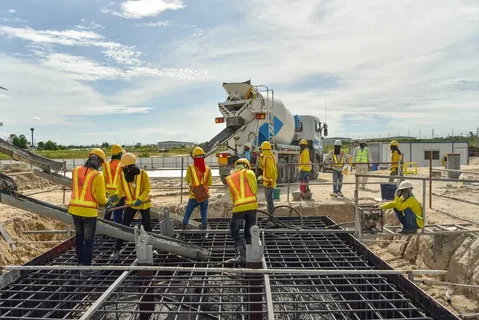
Choosing the right contractor for a construction pad starts with understanding the property, the intended use of the pad, and the preparation required before construction begins. A properly prepared pad can provide a stable foundation for structures such as garages, workshops, sheds, additions, driveways, or other planned improvements.
For property owners in Salisbury, MO, reliability should be evaluated through experience, site preparation practices, communication, project scope, and the contractor’s ability to address the specific conditions of the property.
Start With a Proper Site Assessment
Before hiring a contractor, determine where the pad will be located and what it will support. The size, shape, expected load, surrounding terrain, drainage, soil conditions, and accessibility can all influence the preparation process.
A professional contractor should inspect the proposed location rather than providing a price based only on dimensions.
During the assessment, discuss:
- Proposed pad dimensions
- Intended structure or use
- Existing ground conditions
- Slope and elevation
- Drainage concerns
- Equipment access
- Existing materials
- Required excavation or grading
This initial evaluation can help identify potential issues before construction begins.
Clear the Proposed Construction Area
The area where the pad will be constructed needs to be accessible and reasonably clear. If unwanted materials are scattered across the site, debris removal near me may be necessary before site preparation starts.
Debris can include branches, discarded property materials, old outdoor items, or other non-hazardous waste.
Removing obstacles can make it easier for equipment to reach the work area and allow the contractor to evaluate the existing ground.
However, avoid clearing materials unnecessarily. Focus on the pad footprint, equipment access routes, and areas that directly affect construction.
Consider Junk Hauling Before Construction
Large unwanted items can create additional challenges. If bulky materials are occupying the proposed pad location or restricting equipment access, junk hauling service near me may be useful during the preparation stage.
Examples may include:
- Old outdoor equipment
- Discarded furniture
- Storage items
- Large property materials
- Unwanted household belongings
When requesting a hauling estimate, explain the approximate quantity, item sizes, location, and access conditions.
This information allows the provider to better understand the work involved.
When Junk Removal Is Part of Site Preparation
Property owners may also need junk removal services near me when unwanted items have accumulated over time.
A construction pad should not be built around unnecessary obstacles. If old materials are located within the planned pad area, removing them beforehand can make excavation and grading more straightforward.
Before arranging removal, identify which items should be discarded and which should remain on the property.
A simple separation of keep, relocate, and remove can prevent important belongings from being taken accidentally.
Why Ground Preparation Matters
The finished pad depends heavily on what happens beneath the surface. If the underlying ground is unsuitable or improperly prepared, the completed pad may experience settlement, unevenness, or drainage-related problems.
Depending on site conditions, preparation may involve:
- Clearing vegetation
- Removing unsuitable material
- Excavation
- Grading
- Filling low areas
- Compacting suitable material
- Establishing appropriate drainage
The exact process should be determined according to the property’s conditions and intended use.
Evaluate Contractor Experience
Reliability is not determined by price alone. Ask potential contractors about their experience with similar projects in Salisbury, MO.
Useful questions include:
- How many pad construction projects have you completed?
- Have you worked on properties with similar terrain?
- What preparation does this site require?
- How will drainage be addressed?
- What equipment will be used?
- What materials are included?
- How will the pad be compacted?
- What is included in the final cleanup?
A contractor who can clearly explain the construction process demonstrates a better understanding of the project’s requirements.
Compare Complete Project Estimates
When comparing contractors, make sure the estimates cover comparable work.
| Project Component | What to Confirm |
|---|---|
| Site clearing | Is removal included? |
| Excavation | Is digging included? |
| Fill material | What material will be used? |
| Grading | Is leveling part of the quote? |
| Compaction | Is proper compaction included? |
| Drainage | Are drainage improvements included? |
| Equipment | Which machinery is included? |
| Cleanup | Is excess material removed? |
A low estimate may not actually be cheaper if important preparation steps are excluded.
Consider Drainage Before Building the Pad
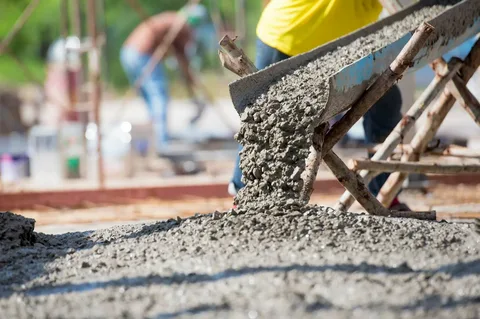
Water management should be considered before the pad is completed. A poorly positioned or prepared pad may affect how rainwater moves around the property.
The contractor should evaluate the surrounding terrain and determine how water naturally flows.
Depending on the site, appropriate grading may help direct water away from the planned structure and toward suitable drainage areas.
The correct approach depends on local site conditions, soil, slope, and the intended use of the pad.
Check Equipment Access
Construction equipment needs a practical route to the work area. Narrow gates, fences, trees, parked vehicles, existing structures, or accumulated materials can limit access.
Before work begins, discuss:
- Entry points
- Equipment dimensions
- Turning space
- Material delivery areas
- Storage locations
- Restricted areas
If access is limited, the contractor should identify the issue before scheduling the project.
Look Beyond the Lowest Price
A reliable contractor should provide a clear scope of work rather than simply offering the lowest number.
When reviewing estimates, consider:
- Experience
- Project scope
- Preparation methods
- Material quality
- Drainage planning
- Equipment
- Timeline
- Communication
- Cleanup responsibilities
A slightly higher estimate may provide better value if it includes necessary preparation that another contractor has excluded.
Prepare for a More Reliable Construction Pad
Choosing reliable pad construction services requires careful planning before equipment arrives. Clearing necessary debris, removing unwanted materials, evaluating the ground, and confirming equipment access can create a better starting point.
For Salisbury, MO property owners, the best contractor is one who understands that a construction pad is more than a level surface. Proper preparation, grading, compaction, drainage, and communication all contribute to a project designed around the property’s actual requirements.
By comparing complete estimates and asking detailed questions before hiring, you can make a more informed decision and establish a clear plan for the construction of your pad.
Preparing the Site for Pad Construction
Reliable pad construction begins with proper site preparation. Before soil is moved, compacted, or shaped, the proposed construction area should be clear of obstacles and accessible to the necessary equipment. Weather conditions can also affect the ground, so property owners should consider debris, storm damage, and seasonal conditions before scheduling work.
Clearing the Construction Area
If the proposed pad location contains accumulated materials, debris removal services near me may be necessary before construction begins.
Debris can come from landscaping, previous construction, property maintenance, or general accumulation. Branches, discarded materials, and other non-hazardous items can restrict equipment access and make it difficult to inspect the ground accurately.
Before arranging removal, identify the exact pad footprint and the routes that construction equipment will use. This prevents unnecessary cleanup of areas that will not affect the project.
Why Storm Cleanup May Be Important
Severe weather can change site conditions before construction begins. If branches, damaged outdoor materials, or other storm-related waste are located within the planned pad area, storm debris removal near me can help prepare the property.
Storm damage should not be evaluated only by what is visible on the surface. Heavy rain can also create:
- Erosion
- Washouts
- Standing water
- Ruts
- Sediment buildup
- Uneven soil
These conditions can affect the preparation required for a construction pad.
After storm debris has been cleared, inspect the exposed ground and inform the contractor about any noticeable changes.
Check the Ground After Heavy Rain
Water can reveal problems that may not be obvious during dry conditions. Low areas may collect water, while sloped areas can experience erosion or soil movement.
Before pad construction, consider where rainwater naturally travels across the property.
The contractor should evaluate whether the proposed pad location needs additional grading or drainage planning. The appropriate solution depends on the property’s slope, soil, existing drainage, and intended use.
Seasonal Snow and Site Access
In areas where winter conditions affect access, a snow removal service may be useful when snow prevents construction equipment from reaching the proposed pad location.
Snow can also hide the actual condition of the ground. A contractor may have difficulty accurately evaluating elevation, drainage, existing surfaces, and obstacles when they are covered.
Before scheduling work during snowy conditions, confirm:
- Whether equipment can safely reach the property
- Whether the pad location can be cleared
- Where removed snow can be placed
- Whether the ground is frozen
- Whether weather conditions could affect the schedule
The contractor can then determine whether the site is ready for preparation.
Equipment Access Is Part of Site Preparation
A construction pad may require loaders, excavators, compactors, grading equipment, and material-delivery vehicles. These machines need sufficient room to enter and operate.
Check the available access for:
- Gates
- Driveways
- Fences
- Trees
- Buildings
- Slopes
- Narrow passages
- Existing vehicles or stored materials
If access is restricted, discuss the problem with the contractor before work begins.
Protecting the Future Pad Area
Once the area has been cleared, avoid placing new materials, vehicles, or equipment within the planned pad footprint.
Keeping the area organized helps the contractor begin work without additional preparation.
If materials must be stored temporarily, place them outside the construction and equipment zones where possible.
Comparing Site Preparation Costs
Site preparation can represent an important part of the overall project budget. When reviewing estimates, ask exactly what preparation work is included.
| Preparation Item | What to Confirm |
|---|---|
| Debris clearing | Is removal included? |
| Storm cleanup | Is weather-related debris included? |
| Snow clearing | Is seasonal access preparation included? |
| Excavation | Is soil removal included? |
| Grading | Is leveling part of the estimate? |
| Fill material | What material will be supplied? |
| Compaction | Is compaction included? |
| Drainage | Are drainage improvements included? |
Comparing complete scopes helps prevent choosing a quote that appears inexpensive only because essential preparation has been excluded.
Questions to Ask Before Hiring
Ask the pad construction contractor:
- Does the site require additional clearing?
- Is the existing ground suitable for the planned pad?
- How will drainage be addressed?
- Does the site need excavation?
- What equipment will be used?
- How will the material be compacted?
- What happens if unsuitable soil is discovered?
- Is final cleanup included?
Clear answers can help you understand the contractor’s approach before work begins.
Prepare for Reliable Pad Construction
Proper preparation gives a contractor a better starting point for building a stable construction pad. Clearing debris, addressing storm-related conditions, managing seasonal snow, and confirming equipment access can reduce avoidable delays.
For property owners in Salisbury, MO, the most reliable approach is to evaluate the actual site conditions before construction rather than assuming every property requires the same preparation.
Once the area is accessible and the ground has been properly assessed, the contractor can move forward with the appropriate excavation, grading, fill placement, compaction, and drainage work required for the planned pad.
Removing Unwanted Materials Before Pad Construction
A construction pad needs a clear and workable site before excavation, grading, and compaction can begin. Unwanted materials can restrict equipment access, hide ground conditions, and create unnecessary delays. For property owners in Salisbury, MO, removing these obstacles early can make the preparation process more efficient.
Why Site Cleanup Matters
A reliable pad construction project starts with an accurate assessment of the existing property. If the proposed pad area is covered with discarded materials, the contractor may not be able to properly evaluate the soil, slope, drainage, or elevation.
Clearing the area first allows the contractor to see the actual condition of the site and determine what preparation is required.
Depending on the property, preparation may involve:
- Clearing loose materials
- Removing unwanted items
- Excavating unsuitable soil
- Leveling uneven areas
- Bringing in appropriate fill
- Compacting the prepared surface
- Establishing suitable drainage
The exact requirements depend on the intended use and site conditions.
When Junk Hauling Is Useful
Junk hauling can be useful when large amounts of unwanted material are occupying the planned construction area.
Items may include old outdoor equipment, discarded household belongings, stored materials, or other bulky non-hazardous items.
Before scheduling hauling, identify the location and approximate amount of material. Also explain whether the items are easily accessible or located behind a structure, fence, or other obstruction.
Providing these details can help the hauling provider understand the scope before arriving.
Removing Unwanted Items Before Equipment Arrives
Construction equipment needs enough room to maneuver. A loader or excavator may require a clear route from the property entrance to the pad location.
If unwanted items are scattered along this route, the equipment operator may have to work around them or wait until they are removed.
Planning removal before construction begins can help keep the work area organized.
It is especially important to consider:
- Equipment entry points
- Material delivery routes
- Turning areas
- Pad boundaries
- Temporary material storage
- Areas where excavated soil may be placed
When Junk Removal Is Appropriate
Junk removal can address unwanted items that should no longer remain on the property.
Before booking a service, separate materials into three categories:
Keep: Items that remain useful.
Relocate: Items that should remain on the property but need to be moved.
Remove: Items that are no longer wanted.
This simple process can prevent useful property items from being removed accidentally.
Storm-Related Cleanup
Weather can create additional cleanup requirements. Fallen branches, damaged outdoor items, and other materials may cover the proposed pad location after severe weather.
A storm debris removal service can help clear appropriate storm-related materials before the construction crew begins preparing the site.
Storm cleanup is particularly important when debris is mixed with soil, blocking access, or hiding areas affected by erosion.
Inspect the Ground After Storm Damage
Removing visible storm debris is only the first step. Heavy rainfall can alter the ground underneath the debris.
Look for:
- Washed-out areas
- Soil displacement
- Standing water
- Deep ruts
- Exposed roots
- Sediment deposits
- Uneven surfaces
If these conditions are present, tell the pad contractor before construction starts.
The contractor can then determine whether additional grading, filling, excavation, or drainage work is required.
Avoid Moving Materials Twice
One common preparation mistake is temporarily moving unwanted items to another area that will later be needed for construction.
For example, placing old materials beside the planned pad may clear the immediate footprint but create an obstruction for equipment or material deliveries.
Instead, decide where items will ultimately go before moving them.
If they are intended for disposal, arranging removal may be more efficient than relocating them several times.
Estimating Cleanup Requirements
The cost of junk and storm cleanup can vary significantly depending on the property.
| Factor | Why It Matters |
|---|---|
| Material volume | Larger quantities require more handling |
| Item size | Bulky objects can require additional labor |
| Weight | Heavy items may require equipment |
| Access | Difficult locations can increase work time |
| Material location | Scattered items may take longer to collect |
| Number of loads | Multiple trips can increase transportation costs |
| Storm damage | Extensive damage can expand the cleanup scope |
Request a detailed estimate based on the actual site rather than relying on a general price.
Coordinate Cleanup With Pad Construction
Timing matters when multiple services are involved.
A practical sequence may be:
- Inspect the proposed pad area.
- Mark the construction boundaries.
- Identify unwanted materials.
- Arrange hauling or removal.
- Clear storm-related debris.
- Confirm equipment access.
- Inspect the exposed ground.
- Begin excavation and grading.
The exact sequence can vary depending on the project.
Questions to Ask a Removal Provider
Before scheduling cleanup, ask:
- What materials are accepted?
- Does the service include loading?
- Is transportation included?
- Are bulky items accepted?
- Are additional loads charged separately?
- Is equipment available when needed?
- Are there access-related charges?
- Is the area cleaned after removal?
Clear answers make it easier to compare services and understand the total scope.
Creating a Better Starting Point
Pad construction requires more than simply leveling an area. The underlying ground must be evaluated and prepared according to the intended use of the pad.
Removing junk and storm-related debris allows the contractor to see the property more clearly and use equipment more efficiently.
For Salisbury, MO property owners, coordinating cleanup before pad construction can reduce unnecessary delays and help create a more organized worksite. Once unwanted materials have been removed and storm-related conditions have been addressed, the contractor can focus on the technical preparation required to create a properly graded and compacted construction pad.
Handling Storm Debris and Junk Before Pad Construction
Before constructing a reliable pad, the property should be inspected carefully for materials that could interfere with excavation, grading, equipment movement, or drainage. Storm damage and accumulated junk are two common conditions that may need to be addressed before construction begins.
For property owners in Salisbury, MO, handling these issues early can create a cleaner and more accessible worksite.
Assess the Site After Severe Weather
Storm debris removal may be necessary when branches, damaged outdoor items, or other weather-related materials are covering the proposed construction area.
However, clearing visible debris should not be the only consideration. Severe weather can also change the condition of the soil.
After cleanup, inspect the area for:
- Erosion
- Washed-out soil
- Standing water
- Ruts
- Exposed roots
- Sediment accumulation
- Uneven ground
These conditions can affect the preparation required for a construction pad.
Why Storm Damage Should Be Addressed First
A pad should be constructed on properly prepared ground. If stormwater has displaced soil or created low areas, simply adding material on top may not provide the appropriate solution.
The contractor should evaluate the affected area and determine whether excavation, filling, grading, compaction, or drainage work is necessary.
Addressing these issues before construction can help reduce the risk of future settlement or water-related problems.
Finding Local Junk Removal
If unwanted items are occupying the proposed pad area, searching for junk removal near me can help identify a local provider.
Before arranging removal, create a clear list of the items that need to leave the property.
Consider:
- What the items are
- How many there are
- Their approximate size
- Where they are located
- Whether access is restricted
- Whether heavy equipment may be needed
Accurate information allows the provider to better understand the job and prepare an appropriate estimate.
Don’t Clear More Than Necessary
A construction project does not automatically require the entire property to be cleared.
Focus on:
- The construction pad footprint
- Equipment access routes
- Material delivery areas
- Areas needed for excavation or grading
- Locations where construction materials will be temporarily stored
Items outside these areas may not need to be removed.
This targeted approach can help control cleanup costs while still giving the contractor sufficient working space.
Plan Equipment Access
Construction pads may require excavators, loaders, compactors, and delivery vehicles. These machines need enough room to reach the work area safely.
Before construction, check for obstacles such as:
- Fences
- Gates
- Trees
- Parked vehicles
- Stored materials
- Narrow entrances
- Existing structures
If an obstacle cannot be removed, tell the contractor before the project begins. The available access may influence equipment selection and the construction approach.
Avoid Temporary Relocation Problems
Moving junk from one location to another may seem like a quick solution, but it can create additional work later.
For example, placing unwanted items beside the planned pad may leave the construction footprint clear while blocking the equipment route.
Instead, decide whether each item should be removed permanently or relocated to a final storage location that will not interfere with construction.
Comparing Cleanup Estimates
Before hiring a removal provider, compare the complete scope of each estimate.
| Service Detail | What to Confirm |
|---|---|
| Loading | Is crew loading included? |
| Transportation | Is hauling included? |
| Equipment | Is machinery included if required? |
| Labor | Is labor part of the price? |
| Material limits | Are certain items excluded? |
| Additional loads | Are extra trips charged separately? |
| Final cleanup | Will the area be left clear? |
The lowest initial price is not necessarily the lowest total cost if important services are excluded.
Coordinate Cleanup With the Construction Schedule
Cleanup should be completed at the right time.
If it happens too early, additional materials may accumulate before construction begins. If it happens too late, the pad contractor may arrive before the work area is ready.
A practical timeline is:
Site inspection → Storm and junk identification → Removal → Final access check → Ground evaluation → Pad preparation
Discuss the schedule with the contractors involved so everyone understands when the area needs to be accessible.
Protect the Prepared Ground
Once the site has been cleared and grading begins, avoid unnecessary vehicle traffic across areas that have already been prepared.
Heavy traffic can disturb newly graded or compacted surfaces. If other contractors need access to the property, coordinate their activities so they do not interfere with the prepared pad.
Good scheduling helps protect work that has already been completed.
Final Inspection Before Pad Construction
Before excavation or grading begins, walk through the site with the contractor if possible.
Confirm that:
- The pad boundaries are understood
- Storm damage has been identified
- Unwanted items have been removed
- Equipment access is available
- Drainage concerns have been discussed
- Temporary storage areas are established
This final check can help prevent avoidable problems once construction equipment arrives.
Building on a Properly Prepared Site
A reliable construction pad depends on the condition and preparation of the ground beneath it. Removing storm debris and unwanted materials allows the contractor to evaluate the property more accurately and work with fewer obstacles.
For Salisbury, MO property owners, early cleanup is a practical part of planning a construction pad. By addressing weather-related debris, arranging appropriate junk removal, coordinating equipment access, and confirming the complete project scope, you can give the contractor a cleaner and more manageable site for the next stages of construction.
Managing Junk Hauling and Trash Pickup During Pad Construction
Preparing a construction pad can involve more than excavation and grading. If unwanted materials are already present on the property, they may need to be cleared before heavy equipment can work efficiently. Proper planning for hauling and waste collection can help keep the project organized from preparation through completion.
When to Arrange Local Junk Hauling
Property owners may search for junk hauling near me when bulky unwanted materials are occupying the proposed pad location or equipment access route.
Before scheduling hauling, identify exactly what needs to be removed. This may include old outdoor items, unwanted equipment, discarded household belongings, or other non-hazardous materials.
Provide the hauling provider with:
- Approximate quantity
- Item sizes
- Material type
- Location
- Access conditions
- Preferred removal date
Accurate information can help produce a more realistic estimate.
Why Bulky Items Should Be Cleared Early
Large items can interfere with excavators, loaders, compactors, and delivery vehicles. Even when they are outside the actual pad footprint, they may block the route needed to bring equipment to the work area.
Walk the property and identify the full construction route rather than looking only at the future pad.
Check:
- Entrance gates
- Driveways
- Side yards
- Turning areas
- Material storage zones
- Equipment parking areas
Clearing these locations before construction can help reduce unnecessary delays.
Understanding Trash Pickup
Trash pickup can be useful for appropriate waste that accumulates around a property, but not every construction-related material should automatically be treated as regular trash.
Before arranging pickup, explain what you need collected and confirm that the provider accepts those materials.
This is particularly important when the waste includes large, heavy, or construction-related items.
Separate Waste Before Pickup
Organizing materials before collection can make the process easier.
Create three groups:
Keep: Items that should remain on the property.
Relocate: Items that are still wanted but need to be moved away from the construction zone.
Remove: Items that are no longer needed.
This prevents confusion and reduces the possibility of accidentally removing something that will be needed later.
Coordinate Cleanup With Pad Preparation
The timing of hauling and trash collection should fit the construction schedule.
A useful sequence may be:
- Inspect the site.
- Mark the pad footprint.
- Identify unwanted items.
- Determine equipment access routes.
- Schedule hauling or pickup.
- Clear the work area.
- Inspect the exposed ground.
- Begin excavation and grading.
The actual sequence may change depending on site conditions and the contractor’s plan.
Avoid Moving Materials Multiple Times
Temporary relocation can create unnecessary labor.
For example, if unwanted furniture is moved from the pad area to a location where construction equipment will later operate, it may need to be moved again.
Whenever possible, decide the final destination of retained materials before construction begins.
Items that are intended for disposal should be removed from the active work area rather than simply moved nearby.
What Influences Hauling Costs?
Junk hauling prices can vary depending on several project-specific factors.
| Cost Factor | Potential Effect |
|---|---|
| Volume | More material increases handling |
| Item size | Large objects may require additional labor |
| Weight | Heavy items may require equipment |
| Access | Difficult access can increase work time |
| Loading distance | Longer carrying routes may require more labor |
| Number of loads | Multiple trips can increase transportation |
| Material type | Different materials may have different requirements |
Request an estimate based on the actual property conditions.
What to Confirm Before Booking
Before scheduling a hauling or pickup service, ask:
- What materials are accepted?
- Is loading included?
- Is transportation included?
- Are bulky items accepted?
- Is equipment available if necessary?
- Are additional loads charged separately?
- Are there access-related fees?
- Will the area be cleaned after collection?
These questions help establish the actual scope of the service.
Keep Construction Access Clear
Once junk has been removed, avoid placing new materials along the equipment route.
If construction materials need to be stored temporarily, identify a location that will not interfere with excavation, grading, equipment movement, or delivery vehicles.
A clear access route helps the contractor work more efficiently.
Plan for Waste During Construction
Some property work can generate additional waste after the initial cleanup. If that happens, discuss how the new materials should be handled rather than assuming the original removal arrangement covers them.
The contractor may have a separate process for construction-generated materials, while other unwanted property items may require a dedicated hauling or pickup service.
Clarifying responsibilities prevents confusion about who handles which materials.
Final Cleanup Before the Pad Is Completed
Once major site preparation is finished, inspect the surrounding area for remaining unwanted materials.
Check the pad perimeter, equipment routes, storage areas, and nearby structures.
Remove only materials that should no longer remain on the property. Keeping useful materials organized outside the active work zone can help maintain a clean site without unnecessary disposal.
Creating an Organized Construction Site
Reliable pad construction depends on good preparation and coordination. Proper junk hauling and trash pickup can help keep access routes clear and allow equipment to operate without avoidable obstacles.
For property owners in Salisbury, MO, planning cleanup alongside the construction schedule can make the project easier to manage. By identifying unwanted materials early, confirming service details, and keeping equipment routes clear, you can provide a more organized work environment for the pad construction crew.
Clearing Debris and Furniture for Pad Construction
A reliable construction pad requires a properly prepared work area. Before excavation, grading, filling, and compaction begin, the site should be clear of materials that could interfere with construction. Debris and unwanted furniture may seem unrelated to pad construction, but both can restrict equipment access and complicate site preparation.
For property owners in Salisbury, MO, handling these obstacles before construction can create a cleaner and more efficient worksite.
Why Debris Should Be Addressed Before Construction
Debris removal may be necessary when unwanted materials are located within the planned pad footprint or along the equipment access route.
Debris can come from:
- Previous property work
- Landscaping
- Storms
- Renovations
- General property maintenance
- Long-term accumulation
Removing unnecessary materials allows the contractor to inspect the ground more accurately and determine what preparation is required.
Inspect the Entire Construction Zone
Do not limit the inspection to the exact location where the pad will be built. Construction equipment needs access to the site, and materials may need to be delivered or temporarily stored nearby.
Inspect:
- The pad footprint
- Entry points
- Driveways
- Side yards
- Equipment routes
- Material storage areas
- Areas surrounding existing structures
This broader assessment can identify obstacles before construction begins.
When Furniture Removal Is Necessary
Large unwanted household items can create access problems around a construction site. Furniture removal may be appropriate if furniture is stored in the proposed pad area or blocks the route required by construction equipment.
Examples may include:
- Sofas
- Tables
- Cabinets
- Mattresses
- Chairs
- Shelving
- Outdoor furniture
Not every piece of furniture on the property needs to be removed. Focus on items that interfere with the construction plan.
Furniture Can Affect Equipment Access
Construction equipment requires enough space to maneuver safely. A large item positioned beside a building, gate, or narrow access route may make it difficult for machinery to reach the pad.
For example, furniture stored near a garage entrance could restrict the path needed to bring equipment onto the property.
Removing or relocating such items before construction can provide a clearer route.
Prepare Items for Removal
Before scheduling furniture collection, determine how the items can be accessed.
Potential challenges include:
- Stairs
- Narrow doors
- Tight hallways
- Fences
- Long carrying distances
- Uneven outdoor surfaces
- Limited parking
Explain these conditions when requesting an estimate. This allows the removal provider to understand the labor and access requirements.
Property owners should avoid moving very heavy or unstable items themselves when doing so could create a safety risk.
Separate Materials Before Cleanup
Organize the property before the removal appointment.
Use three categories:
Keep: Items that remain useful.
Relocate: Items that should stay but need to be moved.
Remove: Items that are no longer wanted.
This makes the cleanup process more efficient and reduces the possibility of removing items that are still needed.
Understand Removal Costs
Debris and furniture removal costs vary according to the size and complexity of the job.
| Cost Factor | Potential Effect |
|---|---|
| Material volume | Larger quantities require more handling |
| Furniture size | Bulky items can increase labor |
| Weight | Heavy items may require equipment |
| Location | Difficult placement can increase work time |
| Access | Restricted routes can complicate collection |
| Number of items | More items increase the workload |
| Transportation | Hauling requirements affect cost |
| Final cleanup | Additional cleanup may expand the scope |
Ask for an estimate based on the actual property rather than relying on a standard price.
Confirm What the Service Includes
Before hiring a removal provider, ask:
- Is loading included?
- Is transportation included?
- Are bulky furniture items accepted?
- Are there additional charges for difficult access?
- Is equipment included when needed?
- Are multiple loads priced separately?
- What materials are excluded?
- Will the area be cleaned after removal?
Clear answers can help you compare services fairly.
Coordinate Removal With the Pad Contractor
Timing is important when several services are involved.
Ideally, necessary debris and furniture should be removed before excavation and grading begin. However, if other property work is scheduled first, coordinate the order with the pad contractor.
A simple project sequence may be:
Site inspection → Identify obstacles → Remove debris and furniture → Confirm access → Ground evaluation → Excavation → Grading → Compaction
The actual sequence will depend on the property’s conditions.
Avoid Creating New Obstacles
After the cleanup is complete, avoid storing new materials in the construction zone.
If furniture or property items need to remain on-site, place them somewhere that will not interfere with equipment movement or material deliveries.
Likewise, do not use the future pad area as a temporary storage location unless the contractor confirms that it is acceptable.
Final Check Before Construction
Before the contractor begins, walk through the property and confirm that the work area is ready.
Check for:
- Remaining debris
- Unwanted furniture
- Blocked access routes
- Stored materials
- Parking obstacles
- Drainage concerns
- Areas that require additional clearing
Communicate any remaining concerns before equipment arrives.
Start With a Clean, Accessible Worksite
Proper preparation can make pad construction more organized. Removing necessary debris and furniture gives the contractor a clearer view of the site and reduces obstacles that could interfere with equipment.
For Salisbury, MO property owners, the objective is not to remove everything from the property. It is to create the space required for safe and efficient construction.
By identifying obstacles early, arranging appropriate removal, confirming service details, and coordinating cleanup with the construction schedule, you can provide a better starting point for excavation, grading, filling, and compaction of the new construction pad.
When Demolition Services Are Needed for Pad Construction
Some construction pad projects require more than clearing loose debris or unwanted belongings. An existing shed, small structure, old foundation, or other obstruction may occupy the proposed pad location. In these situations, professional demolition can be an important part of preparing the site.
For property owners in Salisbury, MO, demolition should be planned carefully so the site can transition smoothly from structure removal to excavation, grading, and pad construction.
Determine Whether Demolition Is Necessary
Demolition services may be appropriate when an existing structure occupies the planned construction area or prevents equipment from accessing the site.
Possible examples include:
- Old sheds
- Small outbuildings
- Damaged structures
- Unwanted property structures
- Existing features that conflict with the planned pad
Before scheduling demolition, determine whether the structure actually needs to be removed. If it does not occupy the pad footprint or interfere with equipment access, keeping it may be more economical.
Inspect the Structure and Surrounding Area
Before demolition begins, the contractor should understand the structure’s condition, size, materials, and location.
Important factors include:
- Structure dimensions
- Construction materials
- Structural condition
- Distance from nearby buildings
- Equipment access
- Utility connections
- Fences and landscaping
- Trees
- Planned pad location
These details can affect the demolition approach and overall project scope.
Why Demolition Should Come Before Pad Preparation
If a structure occupies the future pad location, excavation and grading cannot be completed properly until the obstruction is removed.
Once demolition is finished, the exposed area can be inspected for conditions such as:
- Remaining foundation material
- Uneven ground
- Buried debris
- Compacted areas
- Soil changes
- Drainage concerns
This allows the pad contractor to determine what additional preparation is required.
Plan Equipment Access
Demolition and pad construction may require heavy machinery. The property must have an appropriate route for equipment to enter and operate.
Check for:
- Narrow gates
- Fences
- Low branches
- Existing structures
- Slopes
- Tight turns
- Limited parking
If access is restricted, tell the contractor before the project begins.
Equipment limitations can affect how demolition is performed and how quickly materials can be removed.
Understand What Happens to Demolition Debris
Removing a structure can generate a significant quantity of material. Before work begins, clarify who is responsible for handling it.
Ask whether the demolition estimate includes:
- Debris collection
- Loading
- Hauling
- Disposal
- Equipment
- Final site cleanup
If debris handling is excluded, a separate removal arrangement may be necessary.
Compare Complete Demolition Estimates
Do not compare demolition contractors based only on the initial price.
| Estimate Component | What to Confirm |
|---|---|
| Structure removal | What exactly will be demolished? |
| Labor | Is labor included? |
| Equipment | Is machinery included? |
| Debris handling | Who removes the material? |
| Hauling | Is transportation included? |
| Disposal | Is disposal included? |
| Cleanup | Will the site be left clear? |
| Additional work | How are unexpected conditions handled? |
A complete scope makes contractor comparisons more meaningful.
Consider the Condition of the Ground After Demolition
Removing a structure does not automatically mean the area is ready for a construction pad.
Old structures may leave behind foundations, buried materials, disturbed soil, or uneven ground.
The pad contractor should inspect the exposed area before beginning final preparation.
Depending on conditions, additional work may include:
- Excavation
- Removal of unsuitable material
- Filling
- Grading
- Compaction
- Drainage preparation
The exact requirements depend on the site and intended use.
Coordinate Demolition With Pad Construction
Scheduling is important when demolition is followed immediately by pad construction.
A practical sequence may include:
- Evaluate the property.
- Identify the structure requiring removal.
- Confirm demolition requirements.
- Complete demolition.
- Clear remaining debris.
- Inspect the exposed ground.
- Complete excavation and grading.
- Prepare and compact the pad.
Leaving enough time between stages allows the contractor to address unexpected site conditions.
Avoid Unnecessary Structure Removal
Not every existing structure needs to be demolished just because a new construction project is planned.
Ask whether the structure:
- Occupies the proposed pad
- Blocks equipment access
- Creates a drainage problem
- Conflicts with the planned layout
- Prevents proper grading
If the structure does not interfere with the project, retaining it may reduce unnecessary costs.
Questions to Ask a Demolition Contractor
Before hiring a provider, ask:
- What is included in the demolition estimate?
- Is debris removal included?
- Is hauling included?
- What equipment will be used?
- How will site access be handled?
- Will the remaining area be cleaned?
- Could buried materials affect the price?
- Will the site be ready for the next construction stage?
Clear answers help establish expectations before work begins.
Creating a Better Transition to Pad Construction
Demolition is only one stage of site preparation. Once the unwanted structure has been removed and the debris cleared, the exposed ground needs to be evaluated before the pad is constructed.
For property owners in Salisbury, MO, coordinating demolition with excavation, grading, drainage, and compaction can create a more efficient project sequence.
By confirming the demolition scope, planning equipment access, understanding debris responsibilities, and inspecting the ground afterward, you can help ensure the site is properly prepared for the next stage of reliable pad construction.
Final Trash Removal and Junk Pickup for a Finished Pad Site
The final stage of pad construction is not only about completing the prepared surface. Once excavation, grading, filling, and compaction are finished, the surrounding property should be inspected for remaining unwanted materials. Proper cleanup can leave the site organized and ready for the next phase of construction.
For property owners in Salisbury, MO, planning final waste collection as part of the project can help prevent leftover materials from becoming future obstacles.
Complete a Final Site Inspection
Before arranging cleanup, walk around the completed pad and surrounding work area.
Check for:
- Loose waste
- Unwanted materials
- Temporary storage items
- Leftover property debris
- Materials near equipment routes
- Items around nearby structures
- Objects that could interfere with future construction
Do not assume that every material should be discarded. Some items may still be useful for upcoming work.
When Trash Removal Is Appropriate
Trash removal can help clear appropriate waste remaining around the property after site preparation.
This may include general non-hazardous waste or unwanted materials that are no longer needed.
Before scheduling collection, describe the materials to the provider and confirm that they accept them. Construction-related or specialized materials may have different handling requirements.
Arrange Junk Pickup for Bulky Items
A junk pickup service can be useful when larger unwanted items remain after the pad construction process.
Potential items may include:
- Old outdoor furniture
- Unwanted equipment
- Large household items
- Discarded property materials
- Bulky non-hazardous items
Provide the provider with the approximate number and size of items and explain where they are located.
This can help the provider determine the appropriate labor and transportation requirements.
Separate Items Before Collection
A simple sorting system can make final cleanup easier.
Keep: Items that remain useful.
Relocate: Items that should stay on the property but need to be moved.
Remove: Items that are no longer wanted.
This prevents useful materials from being mistakenly collected and helps ensure that the cleanup focuses on genuine waste.
Protect the Newly Prepared Pad
After the pad has been graded and compacted, avoid unnecessary traffic across the prepared surface.
Heavy vehicles can disturb a newly prepared area if they are allowed onto it without considering the project’s requirements.
Before scheduling pickup vehicles or other services, ask the pad contractor whether the prepared area is ready for that type of traffic.
If possible, use an established access route that does not disturb the completed pad.
Understand Cleanup Costs
Final cleanup costs can vary according to the scope of the work.
| Cost Factor | Potential Effect |
|---|---|
| Material volume | More waste requires more handling |
| Item size | Bulky items may require additional labor |
| Weight | Heavy materials may require equipment |
| Location | Difficult placement can increase collection time |
| Access | Restricted routes may complicate pickup |
| Number of loads | Additional trips can affect transportation costs |
| Material type | Handling requirements vary |
Ask for a clear estimate based on the actual materials and property conditions.
Confirm What the Service Includes
Before booking a provider, ask:
- What materials are accepted?
- Does the price include loading?
- Is transportation included?
- Are bulky items accepted?
- Are multiple loads included?
- Are there additional access charges?
- Is equipment included if required?
- Will the area be left clean?
Knowing the complete scope makes it easier to compare providers.
Coordinate Cleanup With Future Construction
The pad may be intended for a garage, shed, workshop, addition, equipment area, or another future project. Consider what will happen next before removing or relocating every material on the property.
If another contractor will begin work soon, coordinate the cleanup schedule with the next construction stage.
For example, materials needed for the next phase should be stored in an accessible location rather than removed accidentally.
Keep the Finished Area Organized
Once final cleanup is complete, avoid using the new pad as a general storage area unless that is its intended purpose.
If the pad will support a future structure, keeping it clear can make subsequent construction easier.
Organize remaining property materials outside the active construction zone and maintain clear access for future equipment.
Final Questions Before Hiring a Removal Provider
Ask the provider:
- What exactly will be collected?
- How is pricing calculated?
- Is loading included?
- Are bulky materials accepted?
- What items are excluded?
- Is transportation included?
- Are additional loads charged separately?
- How quickly can the work be completed?
Clear communication helps prevent unexpected changes to the scope.
A Clean Finish to the Pad Construction Project
A reliable construction pad should be prepared with the next stage of property use in mind. Final trash removal and junk pickup can help eliminate unnecessary obstacles and leave the surrounding work area organized.
For Salisbury, MO property owners, the best approach is to coordinate cleanup with the construction schedule, protect the newly prepared pad, and remove only materials that are genuinely unwanted.
By completing a final inspection, sorting materials, confirming pickup requirements, and maintaining clear access, you can finish the pad construction process with a clean, organized site ready for its intended use.
References
- City of Salisbury, Missouri — Local information and municipal resources relevant to property improvement and construction projects in Salisbury, MO. City of Salisbury, Missouri
- International Code Council (ICC) — Building codes, construction standards, site preparation, and safety guidelines relevant to residential and commercial construction projects. International Code Council
- Allen & Russell Services — Local property improvement and construction services available in Salisbury, MO. Allen & Russell Services