
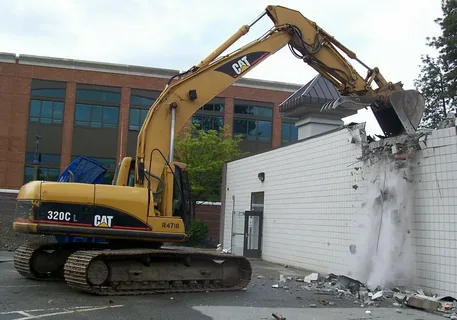
Choosing the right demolition provider requires more than comparing prices. Property owners in Salisbury, MO should consider the project’s scope, site conditions, equipment, debris handling, safety practices, and final cleanup before making a decision.
Assess the Demolition Project
Start by determining exactly what needs to be removed. This could be an old shed, damaged structure, unwanted addition, or another property feature.
Consider:
- Structure size
- Construction materials
- Current condition
- Location
- Nearby buildings
- Equipment access
- Cleanup requirements
A clear project scope makes it easier to request accurate estimates.
Plan for Debris Before Demolition
Demolition can generate a significant amount of material. Before work begins, determine how the resulting debris will be handled.
If you also need debris removal near me, ask whether the demolition provider handles debris loading, hauling, and disposal or whether these services need to be arranged separately.
Consider Junk Hauling Needs
A demolition project may leave behind unwanted items that are not part of the structure itself. Searching for junk hauling service near me can help identify an appropriate local option for suitable non-hazardous materials.
Examples may include:
- Old outdoor items
- Unwanted equipment
- Furniture
- Garage clutter
- General property junk
Separate these items from materials that are part of the demolition scope.
Arrange Junk Removal Before the Project
If the structure contains belongings or removable items, clear them before demolition begins. Junk removal services near me may be useful for suitable unwanted materials.
This can:
- Reduce clutter
- Improve access
- Protect belongings
- Make the demolition area easier to organize
- Prevent accidental removal of items you want to keep
Check Site Accessibility
Demolition equipment and hauling vehicles require appropriate access. Inspect the property for potential restrictions.
Look for:
- Narrow gates
- Low branches
- Fences
- Uneven ground
- Limited parking
- Nearby structures
- Overhead obstacles
Provide this information to the contractor before receiving a final estimate.
Understand What the Estimate Includes
A reliable demolition estimate should clearly define the work.
| Service Component | What to Confirm |
|---|---|
| Demolition | What structure is included? |
| Labor | Is labor included? |
| Equipment | Is machinery included? |
| Debris loading | Who loads the materials? |
| Hauling | Is transportation included? |
| Disposal | Are disposal costs included? |
| Cleanup | Is final site cleanup included? |
Comparing complete estimates is more useful than choosing the lowest starting price.
Ask About the Final Site Condition
Find out what the property will look like after demolition. Some providers may include basic cleanup, while others may charge separately for debris removal or additional site work.
If you plan to build, landscape, grade, or install a driveway afterward, discuss the required final condition before work begins.
Choose Based on Overall Value
For Salisbury, MO property owners, reliable demolition means having a clear scope, appropriate equipment, responsible debris handling, good communication, and transparent pricing.
By planning debris and junk removal in advance, checking site accessibility, and comparing complete service estimates, you can select a demolition provider that better matches your property’s needs and avoid unexpected project costs.
Preparing the Property for Demolition and Cleanup

A successful demolition project requires more than removing a structure. Proper preparation can make the work safer, improve equipment access, and simplify cleanup afterward. Property owners in Salisbury, MO should also consider how weather-related debris and snow could affect the demolition site.
Plan for Debris Removal
Demolition can produce large amounts of wood, concrete, metal, and other materials. If you need debris removal services near me, confirm whether debris loading, hauling, and disposal are included in the demolition estimate.
Before work begins, determine:
- What materials will be removed
- Approximate debris volume
- Where debris will be collected
- Whether hauling is included
- What final cleanup is expected
Prepare for Storm Debris
If the property has recently experienced severe weather, storm debris removal near me may be needed before demolition can begin.
Clear suitable non-hazardous debris such as fallen branches and loose outdoor materials from the work area when safe to do so. Do not handle debris involving power lines, unstable structures, or other serious hazards.
Consider Snow Removal
Winter conditions can affect demolition-site access. A snow removal service may help keep driveways, entrances, and equipment access routes clear when snowfall creates an obstruction.
Before scheduling demolition during winter, discuss:
- Snow accumulation
- Icy surfaces
- Equipment access
- Ground conditions
- Parking availability
- Weather-related scheduling
Inspect Equipment Access
Demolition machinery and hauling vehicles need adequate space to reach the structure.
Check for:
- Narrow gates
- Low branches
- Fences
- Overhead obstacles
- Uneven ground
- Nearby structures
- Limited parking
Provide these details to the contractor before receiving a final quote.
Protect Nearby Property
Identify features that should remain undamaged during demolition.
These may include:
- Driveways
- Fences
- Trees
- Landscaping
- Drainage systems
- Nearby buildings
- Utility infrastructure
Discuss protection requirements with the contractor before work begins.
Establish the Final Cleanup Scope
Ask what condition the site will be left in after demolition. Some providers include basic cleanup, while additional debris hauling or site preparation may cost extra.
Confirm whether the estimate includes:
| Service | Confirm |
|---|---|
| Demolition | Structure completely removed? |
| Debris loading | Included? |
| Hauling | Included? |
| Disposal | Included? |
| Snow/debris clearing | Separate service? |
| Final cleanup | Included? |
Coordinate the Entire Project
A well-organized sequence can reduce delays:
Site assessment → Access preparation → Demolition → Debris removal → Final cleanup → Future site work
For Salisbury, MO property owners, coordinating demolition with debris and snow management can help maintain access and keep the project organized. Clearly defining the work, preparing the site, and confirming every service included in the estimate can also help prevent unexpected costs.
Managing Junk and Storm Debris During Demolition
Demolition projects often create additional cleanup needs beyond the structure itself. Unwanted belongings, old equipment, and weather-related debris may need to be cleared before or after demolition. Planning these services in advance can keep the project organized and reduce delays.
Arrange Junk Hauling
Junk hauling can help transport suitable unwanted materials away from the property.
This may include:
- Old furniture
- Garage clutter
- Unwanted equipment
- Outdoor items
- Non-hazardous household materials
Before scheduling, provide an accurate description of the items and their approximate quantity.
Remove Unwanted Items Before Demolition
If the structure contains belongings that should not be demolished, remove them beforehand. This can protect valuable items and make the work area easier to access.
Separate materials into:
- Items to keep
- Items to relocate
- Items to remove
- Materials included in demolition
Clearly marking these categories can help prevent accidental removal.
Consider Professional Junk Removal
Professional junk removal can be useful for larger cleanouts associated with demolition projects.
Common situations include:
- Garage cleanouts
- Shed cleanouts
- Property renovations
- Rental property turnover
- Removal of unwanted household items
Confirm which materials the provider accepts before booking.
Handle Storm-Related Materials Separately
A storm debris removal service may be appropriate when severe weather leaves branches, damaged outdoor items, or other suitable non-hazardous debris around the demolition site.
Inspect the property only when conditions are safe, and prioritize debris blocking access routes.
Keep Demolition Debris Organized
Demolition materials can differ significantly from ordinary household junk. Keep the project materials organized according to the contractor’s instructions.
Potential categories may include:
- Wood
- Metal
- Concrete
- General debris
- Household junk
- Storm-generated materials
Proper separation can make hauling and disposal easier.
Protect Access Routes
Keep pathways clear for demolition equipment and hauling vehicles. Identify any:
- Narrow driveways
- Gates
- Sloped surfaces
- Fences
- Parking restrictions
- Overhead obstacles
Discuss difficult access conditions before work begins.
Compare Complete Cleanup Costs
When hiring separate hauling or cleanup services, compare the full scope rather than the advertised starting price.
| Cost Factor | What to Confirm |
|---|---|
| Loading | Is labor included? |
| Hauling | Is transportation included? |
| Volume | Is pricing based on load size? |
| Materials | Are certain items excluded? |
| Equipment | Is specialized equipment included? |
| Extra loads | How are additional trips charged? |
| Cleanup | Is final cleanup included? |
Avoid Hazardous Debris
Do not attempt to move materials connected to electrical lines, unstable structures, or other serious hazards. Such materials require appropriately qualified professionals.
Plan Cleanup After Demolition
Once the structure has been removed, inspect the site for remaining debris and unwanted materials. Confirm whether final cleanup is included in the demolition contract or needs to be arranged separately.
Choose Services That Work Together
For Salisbury, MO property owners, coordinating junk hauling, junk removal, storm cleanup, and demolition can make the entire project more efficient. Clearly separating household junk from demolition and storm debris, preparing access routes, and confirming pricing beforehand can help prevent confusion and unnecessary costs.
Storm Debris and Local Junk Removal After Demolition
After a demolition project, the property may still contain storm debris, unwanted belongings, or other materials that require separate cleanup. Planning this final stage carefully helps restore the site and prepares it for future use.
Arrange Storm Debris Removal
Professional storm debris removal can help clear suitable non-hazardous materials left by severe weather.
Common examples include:
- Fallen branches
- Leaves
- Broken outdoor items
- Damaged fencing materials
- Loose storm debris
Inspect the area only when conditions are safe, especially after severe weather.
Separate Storm Debris From Demolition Materials
Not all debris should automatically be handled the same way. Keep storm-generated materials separate from demolition materials when practical.
For example:
Storm debris: Fallen branches and weather-damaged outdoor materials.
Demolition debris: Materials generated directly from the demolished structure.
Household junk: Unwanted belongings already present on the property.
This separation can make hauling and disposal easier to organize.
Find Local Junk Removal
If unwanted household or property items remain after demolition, junk removal near me can help identify a local removal option.
Potential items may include:
- Old furniture
- Household belongings
- Garage clutter
- Outdoor equipment
- Non-hazardous junk
Confirm accepted materials before scheduling the service.
Clear Important Access Areas
Prioritize areas that need to remain usable after demolition.
Focus on:
- Driveways
- Building entrances
- Walkways
- Parking areas
- Emergency access routes
- Drainage areas
Keeping these areas clear can make the property safer and easier to use.
Consider Difficult Access
Tell the provider if debris or junk is located in areas that are difficult to reach.
Examples include:
- Behind fences
- Inside buildings
- Narrow pathways
- Sloped areas
- Long distances from the vehicle
- Snow-covered areas
Accurate information helps providers plan the appropriate labor and equipment.
Protect the Cleared Property
After demolition, the remaining property may include freshly exposed surfaces or areas that will later be landscaped or developed.
Identify features that need protection, such as:
- Driveways
- Trees
- Fences
- Landscaping
- Drainage systems
- Underground-related work areas
Compare Cleanup Estimates
Before hiring a provider, confirm exactly what the quoted price includes.
| Service | What to Confirm |
|---|---|
| Loading | Included in price? |
| Transportation | Included? |
| Disposal | Included? |
| Material limits | Any exclusions? |
| Difficult access | Additional charge? |
| Extra loads | How are they priced? |
| Final cleanup | Included? |
A complete estimate makes it easier to compare providers fairly.
Plan the Final Site Cleanup
Once demolition and debris removal are complete, perform a final inspection. Look for remaining materials, loose debris, or items that could interfere with future construction, landscaping, or property maintenance.
Prepare the Property for Its Next Use
If the site will be redeveloped, landscaped, graded, or used for another purpose, discuss the desired final condition with the appropriate contractor.
The required level of cleanup may vary depending on what comes next.
Choose a Reliable Local Provider
For Salisbury, MO property owners, effective post-demolition cleanup requires clear separation of storm debris, demolition materials, and household junk. By confirming accepted materials, checking access conditions, comparing complete estimates, and planning final cleanup, you can keep the property organized and ready for its next stage.
Junk Hauling and Trash Pickup After Demolition
After demolition work is completed, properties often need a final cleanup to remove remaining household junk, discarded materials, and general waste. Organizing these items before collection can make the cleanup faster and help prepare the property for its next use.
Identify Remaining Materials
Walk through the property after demolition and separate materials into appropriate categories.
Look for:
- Household junk
- Bulky items
- General trash
- Outdoor belongings
- Packaging
- Non-hazardous leftover materials
Keep items that should remain on the property separate from everything intended for removal.
Arrange Local Junk Hauling
If larger amounts of unwanted material remain, junk hauling near me can help identify a nearby hauling option.
Junk hauling may be useful for:
- Garage cleanouts
- Property cleanouts
- Unwanted equipment
- Old household items
- Outdoor clutter
Provide details about the quantity, size, and location of materials when requesting a quote.
Understand Trash Pickup
Trash pickup can be useful for appropriate routine waste and smaller cleanup needs.
Before placing materials for collection, confirm what the provider accepts. Demolition materials, hazardous waste, or specialized materials may require different handling.
Separate Trash From Demolition Debris
Do not automatically mix every material together.
A simple sorting system can include:
| Category | Examples |
|---|---|
| Household junk | Unwanted belongings and equipment |
| General trash | Suitable everyday waste |
| Demolition debris | Materials generated from construction removal |
| Storm debris | Fallen branches and weather-related materials |
| Keep | Items remaining on the property |
Proper separation can simplify collection and disposal.
Prepare Items for Pickup
Before the provider arrives:
- Group removable items together.
- Clear access routes.
- Separate important belongings.
- Identify oversized items.
- Remove unnecessary obstacles.
- Inform the provider about difficult access.
This preparation can make loading more efficient.
Consider Property Access
Demolition sites may have uneven ground, temporary obstacles, or restricted vehicle access. Explain these conditions when scheduling junk hauling or trash pickup.
Mention:
- Narrow entrances
- Gates
- Long carrying distances
- Uneven surfaces
- Limited parking
- Remaining construction areas
Compare Complete Pricing
When comparing hauling providers, consider the entire cost instead of only the advertised starting price.
Confirm whether the quote includes:
- Loading labor
- Transportation
- Disposal
- Equipment
- Additional loads
- Difficult-access charges
- Final cleanup
A complete quote helps reduce unexpected expenses.
Coordinate With Future Property Work
If the cleared area will be used for construction, landscaping, grading, or another project, complete junk and trash removal before the next phase begins.
A clean site can make future work easier to organize.
Maintain the Property After Cleanup
Once the final cleanup is complete, regular inspections can prevent new clutter from accumulating.
Consider:
- Monthly property checks
- Seasonal cleanouts
- Prompt junk removal
- Routine trash management
- Post-project inspections
Choose Reliable Service
For Salisbury, MO property owners, proper junk hauling and trash pickup can help complete the cleanup process after demolition. By sorting materials, confirming accepted items, preparing access routes, and comparing complete service costs, you can keep the property cleaner and ready for its next use.
Debris and Furniture Removal After Demolition
Once a demolition project is completed, clearing the remaining debris and unwanted furniture is an important step before the property can be used for its next purpose. Proper planning helps keep the site organized and reduces obstacles for future construction or maintenance.
Assess the Remaining Debris
Start with a complete inspection of the property and identify everything that still needs to be removed.
Check:
- Demolition areas
- Garages
- Yards
- Driveways
- Storage spaces
- Outdoor structures
- Building entrances
Separate materials that should remain from those intended for removal.
Arrange Professional Debris Removal
Professional debris removal can help clear suitable materials left after demolition, renovation, construction, or property cleanup.
Before requesting an estimate, provide details about:
- Material type
- Approximate volume
- Item size
- Weight
- Location
- Access conditions
Accurate information helps determine the appropriate equipment and labor.
Identify Demolition Materials
Demolition may leave different types of material, including:
- Wood
- Metal
- Concrete
- Broken building components
- General construction debris
Ask the provider which materials they accept and how they will be handled.
Plan Furniture Removal
If unwanted furniture remains on the property, furniture removal may be needed as part of the final cleanout.
Common items include:
- Sofas
- Tables
- Chairs
- Cabinets
- Shelving
- Mattresses
- Outdoor furniture
Confirm accepted items before scheduling.
Check Furniture Location and Access
Large furniture can be difficult to move through narrow spaces or around recently demolished areas.
Tell the provider if furniture is located:
- Upstairs
- In a basement
- Behind a fence
- Inside a narrow room
- Far from vehicle access
- On uneven ground
This information helps with labor and equipment planning.
Separate Furniture From Construction Debris
Keep household furniture separate from demolition materials whenever practical. This can make loading more organized and help ensure materials receive appropriate handling.
Use separate areas for:
Furniture: Items intended for removal.
Construction debris: Materials generated by demolition.
Items to keep: Belongings that should remain.
Prepare Safe Access Routes
Before removal begins, clear unnecessary obstacles from the path between the materials and the collection vehicle.
Pay attention to:
- Gates
- Driveways
- Walkways
- Uneven surfaces
- Landscaping
- Temporary construction areas
Protect Remaining Property
After demolition, exposed areas may be more vulnerable to accidental damage. Identify surfaces and features that require additional care.
These may include:
- Driveways
- Fences
- Trees
- Landscaping
- Drainage areas
- Remaining structures
Compare Complete Service Estimates
When choosing a removal provider, compare the full scope of service.
| Service Factor | What to Confirm |
|---|---|
| Loading | Is labor included? |
| Transportation | Is hauling included? |
| Equipment | Is equipment provided? |
| Materials | Are certain items excluded? |
| Access | Are difficult locations additional? |
| Extra loads | How are additional loads priced? |
| Cleanup | Is final cleanup included? |
Coordinate With Future Property Improvements
If the property will be landscaped, graded, rebuilt, or developed, complete debris and furniture removal before the next phase begins.
A clear site provides better access and reduces obstacles for future work.
Choose Reliable Removal Services
For Salisbury, MO property owners, effective post-demolition cleanup requires careful organization and clear communication. By identifying remaining debris, separating furniture, preparing access routes, confirming accepted materials, and comparing complete estimates, you can make the final cleanup more efficient.
A properly cleared property is easier to maintain and better prepared for its next improvement project.
Evaluating Demolition Services in Salisbury, MO
Choosing the right demolition provider is an important step when removing an unwanted or damaged structure. A reliable service should provide a clear project scope, appropriate equipment, safe work practices, debris management, and transparent pricing.
Define the Demolition Scope
Before requesting estimates, determine exactly what needs to be removed. The project could involve a shed, garage, outbuilding, damaged structure, or another unwanted property feature.
Clearly identify:
- Structure size
- Construction materials
- Location
- Condition
- Surrounding property
- Required cleanup
- Intended use of the site afterward
A defined scope makes estimates easier to compare.
Evaluate Site Conditions
The condition and layout of the property can affect demolition planning. Inspect the area for potential access limitations and obstacles.
Consider:
- Driveway width
- Gates
- Fences
- Trees
- Nearby structures
- Uneven ground
- Overhead obstacles
Share these details with the provider before work begins.
Ask About Equipment
Different structures may require different tools and machinery. Ask what equipment the provider expects to use and whether it is appropriate for the project’s size and location.
The equipment plan should account for:
- Structure dimensions
- Material type
- Site accessibility
- Nearby property
- Debris volume
Confirm Debris Handling
Demolition does not end when the structure comes down. The resulting debris needs to be properly loaded, transported, and handled.
Ask whether the estimate includes:
- Demolition
- Debris loading
- Transportation
- Disposal
- Recycling where appropriate
- Final cleanup
This prevents confusion about responsibilities after the structure is removed.
Review Safety Practices
Demolition involves equipment, falling materials, dust, and other potential hazards. Ask the provider how the work area will be managed and how nearby property will be protected.
The contractor should identify appropriate precautions based on the specific site and project.
Check for Potential Restrictions
Before demolition begins, determine whether local requirements, permits, utility considerations, or other approvals apply to your particular project.
The exact requirements can depend on the structure, location, project type, and applicable local rules.
Compare Written Estimates
Do not compare providers based solely on the total price. Review what each estimate actually includes.
| Estimate Factor | What to Check |
|---|---|
| Demolition work | Exact structure included |
| Labor | Included in price |
| Equipment | Machinery and tools included |
| Debris | Loading and removal |
| Disposal | Disposal costs |
| Cleanup | Final site condition |
| Additional charges | Clearly explained |
Consider the Final Site Condition
Tell the provider what you expect the property to look like after demolition.
If you plan to construct, landscape, grade, or install another feature on the site, communicate this before work starts. The required cleanup level may depend on the next stage of the project.
Coordinate Related Cleanup
Demolition may leave additional junk, furniture, or storm debris around the property. Coordinating these services with the demolition schedule can help reduce delays.
Make sure everyone understands which materials are included in the demolition and which require separate removal.
Choose Based on Overall Value
The best demolition services option is not necessarily the cheapest quote. Consider the provider’s scope of work, equipment, communication, debris handling, cleanup, scheduling, and pricing transparency.
For Salisbury, MO property owners, carefully evaluating these factors can help create a smoother demolition project and leave the property prepared for its next use.
Final Trash Removal and Junk Pickup After Demolition
After demolition and debris cleanup, a final property inspection can help identify remaining trash, unwanted belongings, and materials that were not included in the original demolition scope. Completing this last cleanup step leaves the site more organized and ready for future use.
Inspect the Property After Demolition
Walk through the entire property and identify remaining materials in:
- Driveways
- Garages
- Yards
- Storage areas
- Walkways
- Building entrances
- Around remaining structures
Separate items that should stay from those intended for removal.
Arrange Trash Removal
Professional trash removal can help handle suitable waste remaining after a property cleanup or demolition project.
Before scheduling, confirm what materials are accepted. Construction debris, hazardous materials, and certain specialized items may require different handling.
Schedule a Junk Pickup Service
A junk pickup service can be useful for unwanted household and property items that remain after the main demolition work.
Potential items include:
- Old furniture
- Household belongings
- Garage clutter
- Outdoor equipment
- Non-hazardous junk
Provide the provider with details about the size, quantity, and location of the items.
Sort Materials Before Pickup
Organize remaining materials into clear categories:
| Category | Examples |
|---|---|
| Keep | Items staying on the property |
| Relocate | Items being moved elsewhere |
| Junk | Unwanted household items |
| Trash | Appropriate general waste |
| Demolition debris | Materials generated by the project |
Sorting reduces confusion and helps prevent accidental removal.
Prepare the Pickup Area
Make the collection process easier by clearing the route between the materials and the vehicle.
Before pickup:
- Group removable items together where practical.
- Clear unnecessary obstacles.
- Identify oversized items.
- Keep important belongings separate.
- Inform the provider about restricted access.
Consider Access Conditions
Demolition sites may have uneven ground, temporary barriers, or limited vehicle access. Tell the provider about these conditions before scheduling.
Important details can include:
- Narrow driveways
- Gates
- Stairs
- Uneven surfaces
- Long carrying distances
- Limited parking
Confirm What the Price Includes
Compare the complete service rather than focusing only on the initial quote.
Ask whether the estimate includes:
- Loading labor
- Transportation
- Disposal
- Equipment
- Additional loads
- Difficult-access fees
- Final cleanup
A detailed estimate makes it easier to compare providers fairly.
Coordinate With Future Property Work
If the site will soon be used for construction, landscaping, grading, or another improvement, complete trash and junk removal beforehand.
A clean site can provide better access and reduce obstacles during the next phase.
Maintain a Clean Property
After the final pickup, establish a simple maintenance routine to prevent new accumulation.
Consider:
- Regular property inspections
- Seasonal cleanouts
- Prompt removal of unwanted items
- Organized storage
- Routine waste management
Choose a Reliable Cleanup Provider
For Salisbury, MO property owners, final trash removal and junk pickup can complete the cleanup process after demolition. By sorting materials, preparing access routes, confirming accepted items, and reviewing complete pricing, you can make the final stage more efficient.
A properly cleared property is easier to maintain and provides a clean starting point for future construction, landscaping, or other improvements.
Frequently Asked Questions
1. What do demolition services in Salisbury, MO include?
Demolition services may include structure removal, labor, equipment, debris loading, hauling, disposal, and basic site cleanup, depending on the provider and project scope.
2. How much do demolition services cost?
Demolition costs vary based on the structure’s size, materials, location, accessibility, equipment requirements, debris volume, and disposal needs. A site-specific estimate is the best way to determine the actual cost.
3. Do I need to prepare the property before demolition?
Yes. Remove belongings that should be kept, clear unnecessary obstacles, identify access routes, and inform the contractor about nearby structures, fences, landscaping, and other features that need protection.
4. Does demolition include debris removal?
Not always. Some demolition providers include loading, hauling, disposal, and cleanup, while others charge separately. Confirm the complete scope before accepting an estimate.
5. Can furniture and junk be removed before demolition?
Yes, suitable unwanted furniture and junk can often be removed before demolition. Clearing these items can make the work area easier to access and reduce the risk of accidentally removing belongings you want to keep.
6. How do I choose a reliable demolition contractor?
Compare written estimates based on project scope, equipment, site preparation, debris handling, cleanup, scheduling, communication, and pricing transparency rather than choosing solely on the lowest price.
7. What happens to the property after demolition?
The final condition depends on the agreed scope. The site may be cleared of demolition debris, while additional grading, landscaping, construction preparation, or other property improvements may require separate services.
References
- U.S. Environmental Protection Agency (EPA) — Waste management, debris handling, recycling, and disposal guidance. EPA
- Missouri Department of Natural Resources (MDNR) — Missouri solid waste management and disposal information. MDNR
- Federal Emergency Management Agency (FEMA) — Storm debris cleanup and property recovery resources. FEMA
- Allen & Russell Services — Demolition, junk hauling, debris removal, and property cleanup services in Salisbury, MO. Allen & Russell Services